

news/articles/article
Jonny Walker on Factory Life, Injury Recovery, and What Comes Next
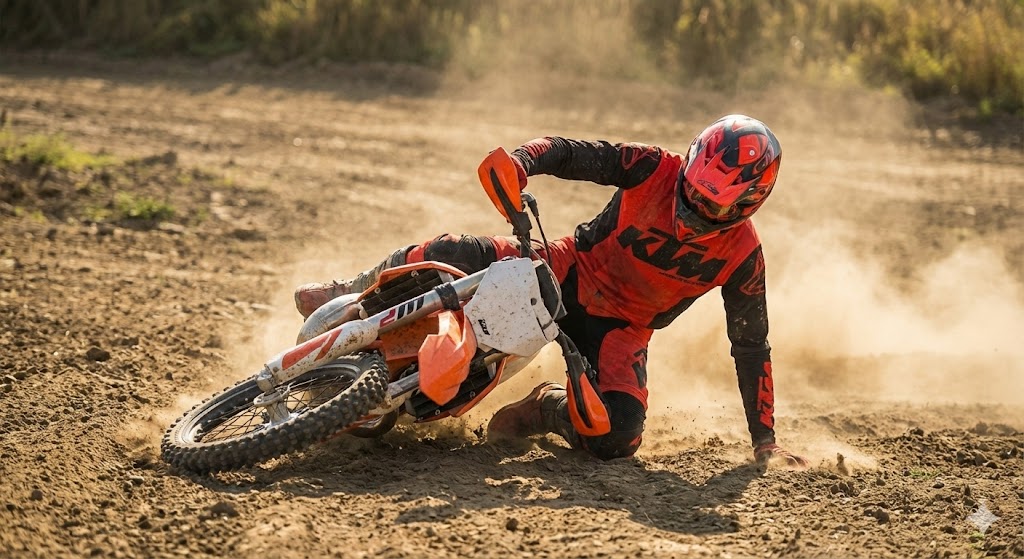
We caught up with Jonny Walker between rehabilitation sessions following his collarbone surgery to discuss his return to Beta factory support, the evolving hard enduro landscape, and what motivates a rider who has already achieved virtually everything the sport offers. The Yorkshireman, characteristically direct, offered candid thoughts on professional motorcycle racing rarely shared publicly.
"The collarbone is the fifth one I've done, third on this side," Walker explains, matter-of-factly. "At this point, my surgeon and I have a routine. He knows exactly how I want it plated, I know exactly how long the recovery takes. It's not enjoyable, obviously, but it's not the unknown anymore either. The first serious injury is terrifying because you don't know if you'll come back the same. Now I know the process, I know what to expect, and honestly that removes most of the anxiety. It's just another phase of the job."
The return to Beta after several seasons with KTM raised eyebrows, but Walker dismisses any suggestion of drama behind the move. "KTM were brilliant, gave me everything I needed to win races, and I'm grateful for those years. But Beta offered something different—a smaller team where my input shapes the motorcycle more directly. When I suggest a change, it happens. I'm testing parts that end up on production bikes within a year. That involvement matters to me now in ways it didn't when I was younger and just wanted the fastest equipment available. Plus, the Beta 300 is genuinely exceptional. Best two-stroke I've ever ridden for the kind of terrain we race."
Asked about the much-discussed generation gap in hard enduro—with riders like Mani Lettenbichler and Trystan Hart pushing the pace while established names approach or exceed forty years old—Walker offers a nuanced perspective. "The young guys are incredibly talented, no question. They're doing things at twenty-three that I couldn't do until I was thirty. But hard enduro isn't motocross where pure speed wins. Experience matters enormously. Knowing when to push and when to conserve, understanding how your body will respond eight hours into an event, reading the terrain in ways that only come from thousands of hours of racing—those advantages don't disappear just because someone younger is faster in a three-minute section."
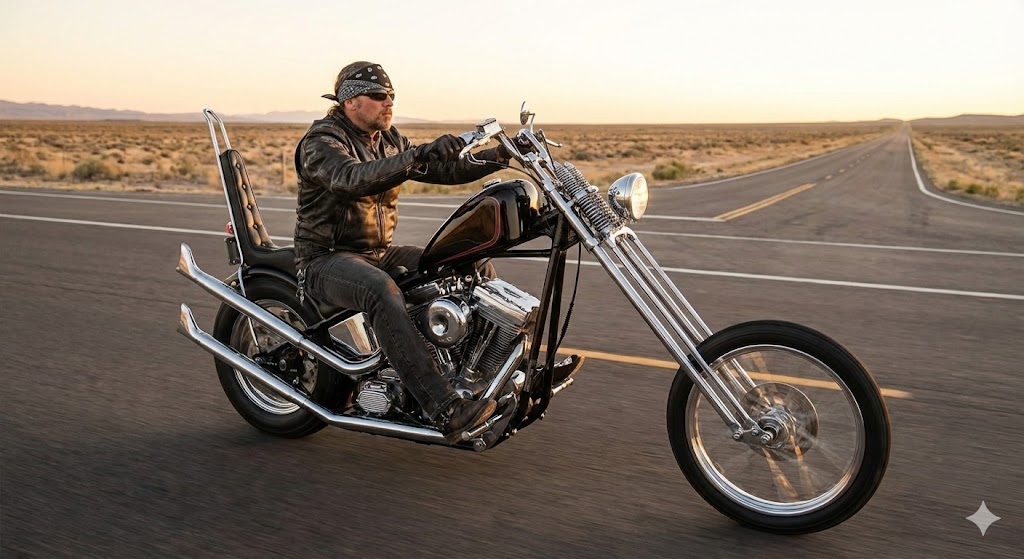
Africa Twin vs Ténéré 700: The Middleweight Adventure Choice
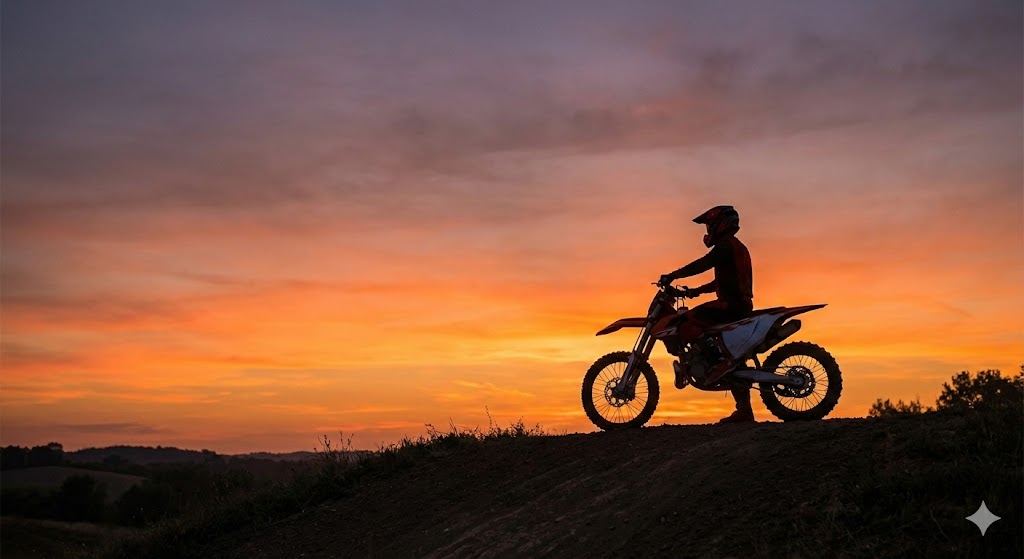
Dakar 2026: Toby Price Ends KTM's Drought
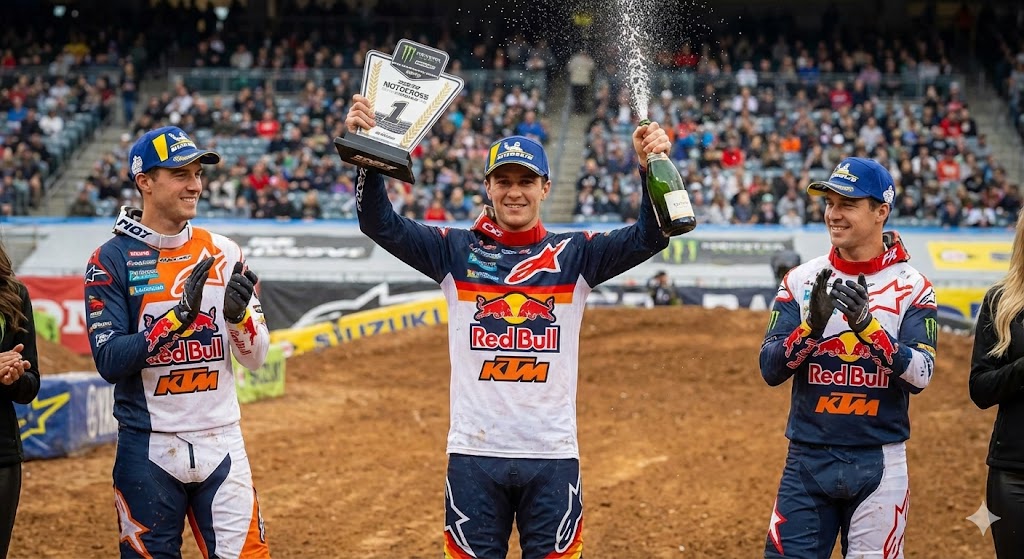
Dakar 2026 Stage One: Sanders Sets Early Pace
Dakar 2026 Stage 1: Brabec Sets Early Marker
"That said," he continues with a laugh, "I'm not stupid enough to think I'll be competitive forever. The body keeps score. Every crash, every surgery, every hour on the bike—it accumulates. I probably have three or four years at the top level if things go well, fewer if injuries keep stacking. After that? Coaching, maybe. Product testing. Something that keeps me around motorcycles without demanding I destroy myself physically every weekend. But that's future thinking. Right now, I'm focused on getting this collarbone healed and proving I can still win races."