

news/articles/article
Crossing the Atlas: A Week in Morocco by Motorcycle
Riding a motorcycle through Morocco's Atlas Mountains feels like travelling backward through time while simultaneously experiencing landscapes so otherworldly they could serve as science fiction film sets. The journey from Marrakech to the Sahara fringe covers only 400 kilometres as the crow flies, but the route we chose—threading through the High Atlas via Tizi n'Test pass, descending to the oasis valleys, and climbing again through the Anti-Atlas toward Tafraout—consumed seven days of riding and produced memories that will likely outlast the motorcycle that carried us.
We departed Marrakech at dawn, escaping the city's chaotic traffic before the morning rush fully materialized. The road south climbs immediately, gaining altitude through increasingly barren terrain as olive groves give way to juniper scrub and finally bare rock. Tizi n'Test reaches 2,100 metres at its summit, the road carved into cliff faces with exposure that would terrify anyone uncomfortable with heights. This isn't a route for the faint-hearted or the mechanically unprepared—breakdowns here mean waiting for assistance in thin air with limited communication options. We'd chosen our motorcycles carefully: a pair of Honda CRF300Ls rented from a Marrakech outfit specializing in adventure tourism, machines simple enough to repair with basic tools yet capable enough for the varied terrain ahead.
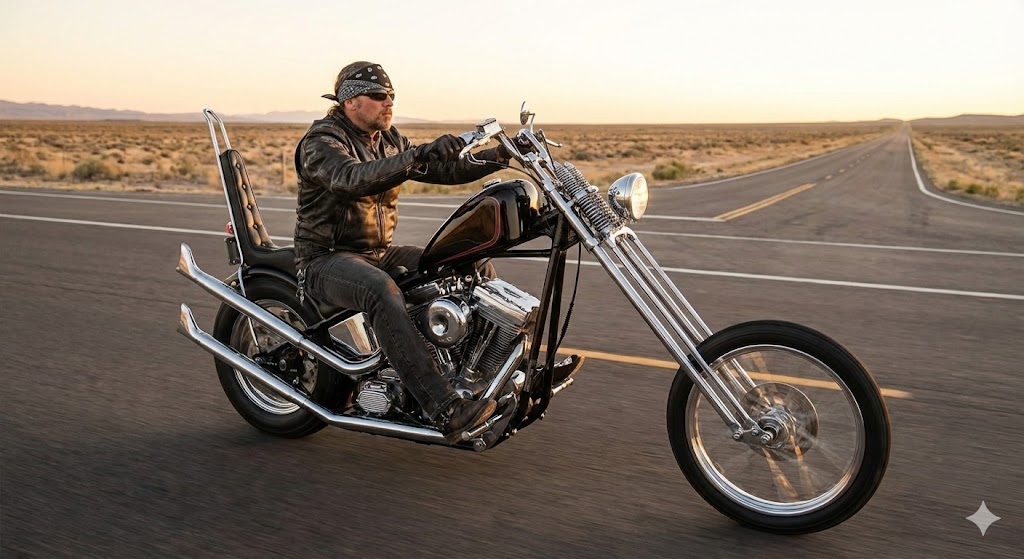
Africa Twin vs Ténéré 700: The Middleweight Adventure Choice
Dakar 2026: Toby Price Ends KTM's Drought
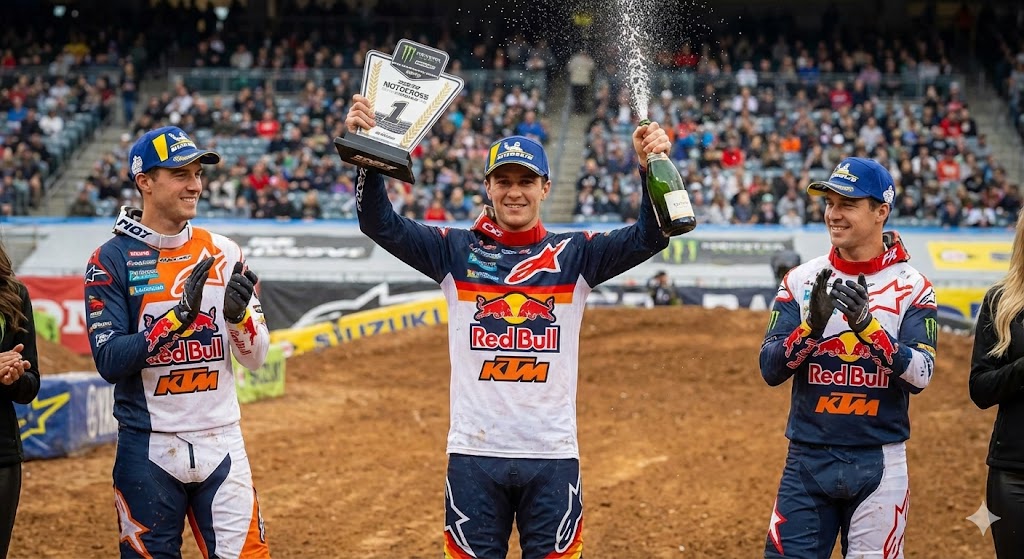
Dakar 2026 Stage One: Sanders Sets Early Pace
Dakar 2026 Stage 1: Brabec Sets Early Marker
The descent into the Souss Valley brought immediate temperature change, the air thickening and warming as we dropped through switchbacks toward Taroudant. This walled city, often called "little Marrakech," makes an excellent overnight stop with its traditional riads and evening food markets, but we pressed on toward the coast, reaching Tiznit as afternoon light turned golden. The ride from the mountains to the Atlantic takes mere hours, a transition from alpine conditions to subtropical warmth that feels almost impossible given the distance involved. Morocco's geographic diversity is staggering—within a day's ride, one passes through climate zones that would span a continent elsewhere.
The Anti-Atlas differs markedly from its higher sibling to the north. These are older mountains, worn by time into dramatic but less severe formations, the rock formations painted in reds and oranges that glow impossibly at sunset. The roads through this region vary from smooth tarmac to piste—the hard-packed dirt tracks that connect villages too small or remote to warrant paving. Our CRFs handled both with equanimity, their long-travel suspension smoothing the corrugations while modest weight made low-speed technical sections manageable. We'd debated renting larger adventure bikes, but the local wisdom proved correct: lighter machines suit Moroccan conditions better, particularly when the inevitable tip-over occurs on loose gravel and you need to right the bike unassisted under harsh sun.
Tafraout sits in a natural amphitheater surrounded by pink granite boulders that defy explanation. Someone—a Belgian artist, according to local legend—painted several of these massive stones in bright blues and reds during the 1980s, creating an outdoor gallery that remains visible despite decades of weathering. The town itself caters to rock climbers and hikers who come for the excellent routes on those granite formations, but motorcyclists are equally well-served by guesthouses understanding that dirt-covered travellers need secure parking and access to water for bike washing more than they need luxury amenities.
The return to Marrakech followed a different route, looping east through Ait Benhaddou—the UNESCO-listed ksar that has served as backdrop for countless films from Lawrence of Arabia to Game of Thrones—before climbing north through the Tizi n'Tichka pass. This road carries more traffic than Tizi n'Test, the tarmac wider and better maintained, but the scenery remains spectacular. We stopped repeatedly, partly to photograph landscapes too dramatic to pass, partly because the mountain air at 2,200 metres demanded slower appreciation than our schedule technically allowed. Morocco rewards riders who resist the urge to cover ground efficiently, who accept that arrival times are suggestions rather than commitments.

Practical considerations for anyone planning similar journeys: spring (March-May) and autumn (September-November) offer optimal conditions, avoiding both winter snow in high passes and summer heat that makes midday riding genuinely dangerous. Fuel stations exist in all towns of any size, but carrying a spare litre provides insurance through remote stretches. The roads are generally better than their reputations suggest—Moroccan infrastructure investment has been substantial—though piste sections require either genuine off-road capability or willingness to dismount and walk through the worst bits. And finally, budget time generously. Morocco reveals itself to those who linger, not those racing toward the next waypoint.