news/articles/article
Choosing Your First Adventure Bike: A Realistic Guide
The adventure bike market has exploded with options ranging from 300cc singles to 1300cc behemoths, each promising capability across terrain types that few owners ever explore. Marketing photographs show machines cresting sand dunes and fording rivers, creating expectations that influence purchasing decisions away from practical reality. Most adventure bikes spend their lives on pavement with occasional gravel road detours. Understanding your actual intended use—honestly assessed—should drive the selection process.
Weight is the variable that new adventure riders consistently underestimate. A 250kg motorcycle feels manageable at highway speeds but becomes unwieldy the moment traction decreases or terrain demands precision. The difference between lifting a 180kg bike and a 250kg bike after a tip-over is not proportional—the heavier machine requires technique and strength that beginners haven't developed. If your intended riding includes genuine trails rather than well-maintained gravel roads, weight should be the primary selection criterion. The capabilities sacrificed for lighter weight—larger fuel capacity, more powerful engines, sophisticated electronics—rarely matter for developing riders.
Seat height relates directly to confidence, especially for newer riders. The ability to plant both feet firmly at stops prevents the awkward hesitation that leads to low-speed drops. Many adventure bikes offer seat heights exceeding 850mm, which excludes shorter riders from comfortable operation. Lowering kits exist but compromise suspension performance. Test ride before purchasing, ideally on varied surfaces where confidence at stops matters most. The motorcycle that looks perfect on paper may prove physically incompatible.
For riders whose adventure use genuinely involves off-road terrain—not aspirational off-road terrain, but actual planned trail riding—the middleweight category offers the best balance. Machines like the KTM 890 Adventure, Yamaha Ténéré 700, Aprilia Tuareg 660, and Honda Transalp 750 combine road capability with genuine off-road potential. They're light enough to recover from mistakes, powerful enough for highway touring, and robust enough for trail abuse. Larger machines make sense for riders who prioritize touring comfort and rarely leave pavement; smaller machines suit riders focused on technical terrain with minimal road transitions.
Africa Twin vs Ténéré 700: The Middleweight Adventure Choice
Dakar 2026: Toby Price Ends KTM's Drought
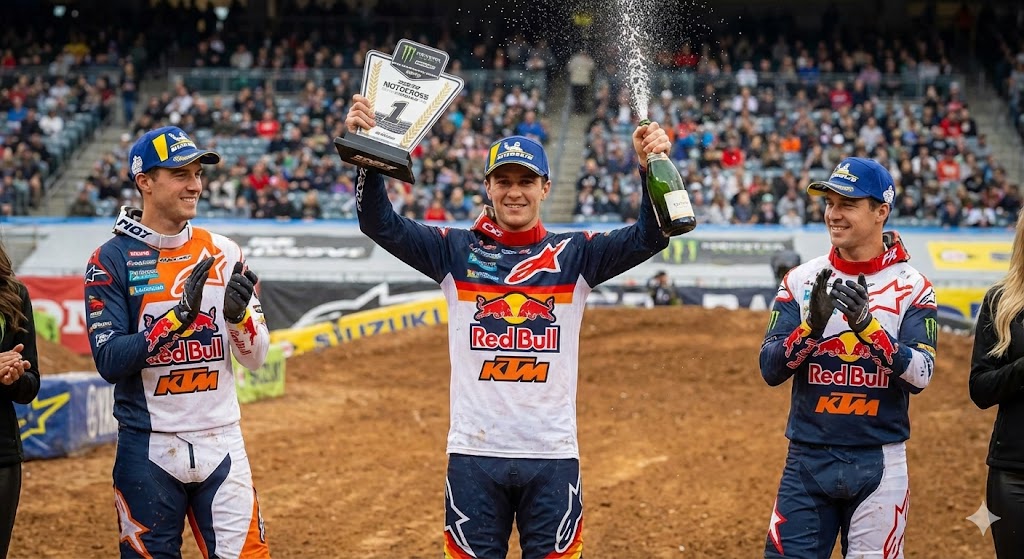
Dakar 2026 Stage One: Sanders Sets Early Pace
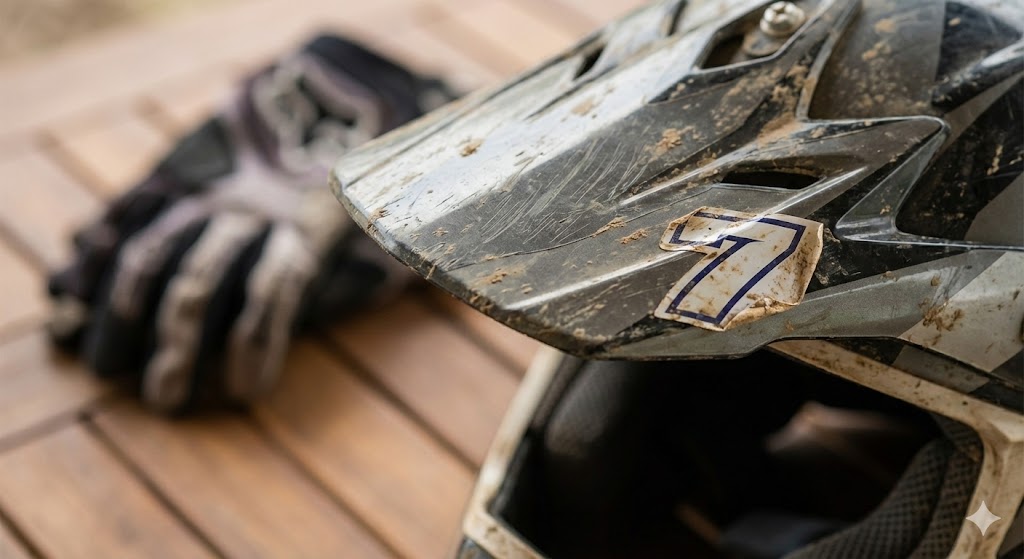
Dakar 2026 Stage 1: Brabec Sets Early Marker
Used motorcycles deserve consideration that new buyers often dismiss. A three-year-old adventure bike with 15,000 kilometres has proven its reliability while depreciating significantly from new pricing. Common accessories—crash protection, luggage systems, improved seats—are often included. The previous owner has absorbed the initial depreciation that makes new motorcycles poor financial investments. Inspect carefully, verify service history, but don't assume that new necessarily means better for developing riders.
Finally, recognize that the first adventure bike rarely remains the only adventure bike. Riders develop preferences through experience that no amount of research anticipates. The motorcycle that suits early exploration may prove inadequate for evolved riding interests—or excessive for interests that simplify over time. Purchase with intention but without permanence. The perfect first adventure bike is the one that gets you riding while teaching lessons that inform future choices.