

news/articles/article
Hard Enduro Training: Building Skills for Extreme Terrain
Hard enduro demands skills that recreational trail riding doesn't develop, techniques for terrain that seems impossible until you watch professionals navigate it effortlessly. The gap between competent trail rider and hard enduro participant isn't bridged by enthusiasm or equipment upgrades—it requires deliberate practice of specific techniques, physical conditioning that supports those techniques, and mental approaches that transform obstacles from barriers into puzzles. Here's where to start.
Clutch control separates hard enduro riders from everyone else. The ability to modulate power delivery precisely while managing traction on slippery surfaces forms the foundation of technical climbing. Practice finding the friction zone—the narrow band where the clutch transmits partial power—and holding it there while the engine maintains useful RPM. The clutch hand should be in constant motion during technical sections, slipping and engaging continuously rather than making binary on-off decisions. This skill takes months to develop properly.
Africa Twin vs Ténéré 700: The Middleweight Adventure Choice
Dakar 2026: Toby Price Ends KTM's Drought
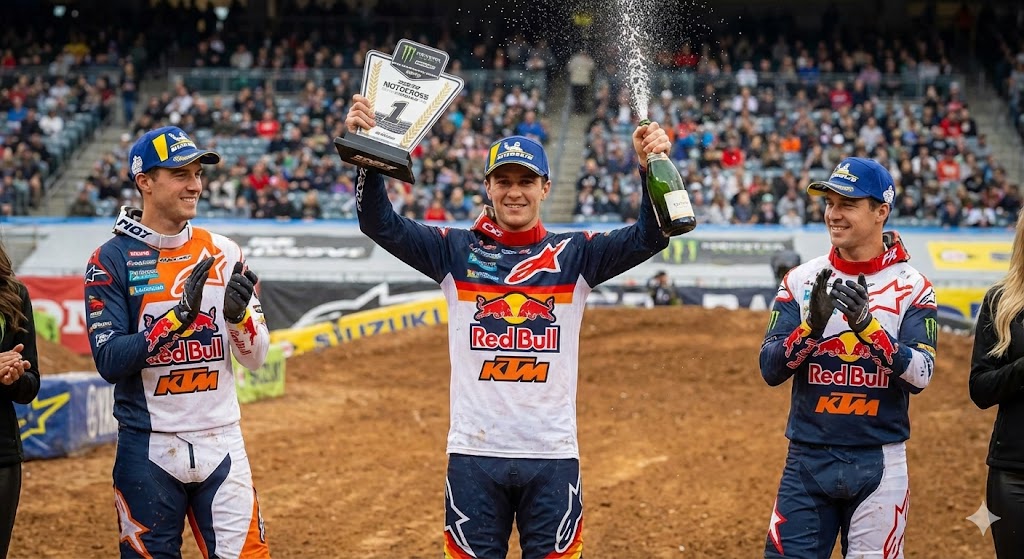
Dakar 2026 Stage One: Sanders Sets Early Pace
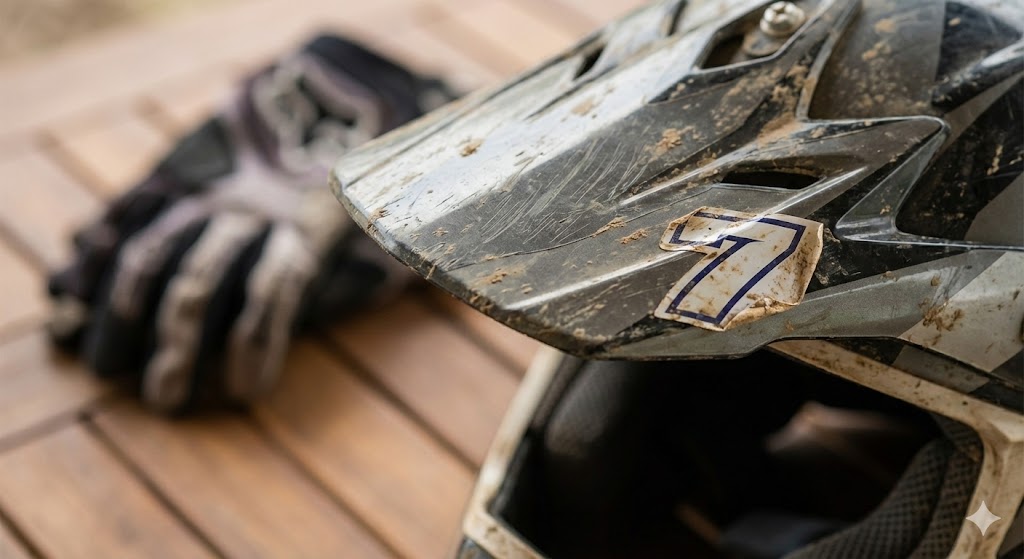
Dakar 2026 Stage 1: Brabec Sets Early Marker
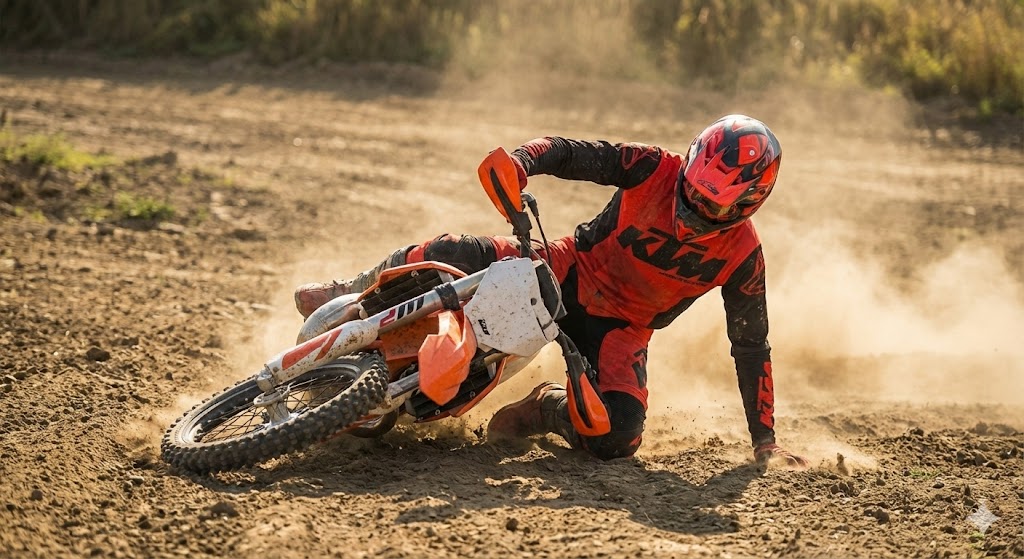
Body positioning in hard enduro differs from trail riding fundamentals. Where recreational off-road technique emphasizes standing centered on the pegs, hard enduro often requires extreme forward or rearward weight placement that feels wrong initially. Steep climbs demand weight over the front wheel that conventional instruction warns against; steep descents require weight behind the seat that feels like inviting an endo. Learning to move aggressively across the motorcycle while maintaining control of clutch, throttle, and brakes simultaneously takes coordination that develops only through repetition.
Physical preparation matters more than many riders acknowledge. Hard enduro exhausts even fit participants within minutes—the combination of full-body muscular effort, grip demand, and cardiovascular load exceeds most sports. Core strength enables body positioning; grip endurance enables clutch and throttle control when fatigued; cardiovascular capacity enables clear thinking when oxygen debt accumulates. Train specifically for these demands; general fitness provides a foundation that sport-specific conditioning must enhance.
Finding training terrain presents practical challenges. Purpose-built hard enduro parks are rare; natural terrain with appropriate difficulty exists but finding it requires local knowledge. Trials sections teach slow-speed precision without the speed component of enduro. Motocross tracks develop throttle control and jumping skills but lack the technical climbing that defines hard enduro. The ideal training environment combines elements from multiple disciplines—which explains why professional riders relocate to areas where diverse terrain concentrates.