
news/articles/article
Protective Gear for Dirt Riding: What Actually Matters
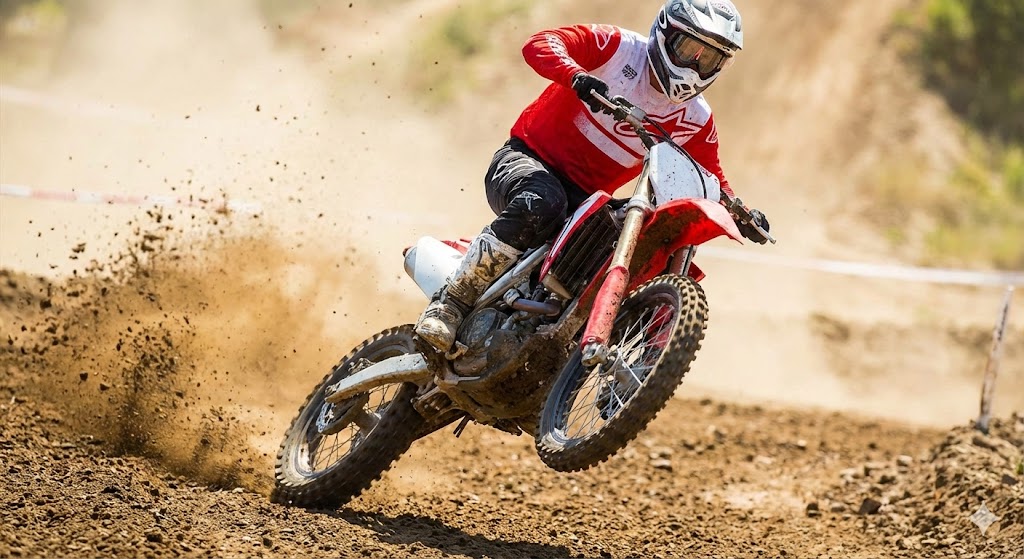
Dirt riding protective gear exists in a strange market space where some items are genuinely life-saving while others are marketing exercises with minimal protective value. Separating effective equipment from expensive placebo requires understanding what actually injures off-road riders and how protection can realistically intervene. This guide prioritizes equipment by genuine injury-prevention value rather than marketing prominence or price point.
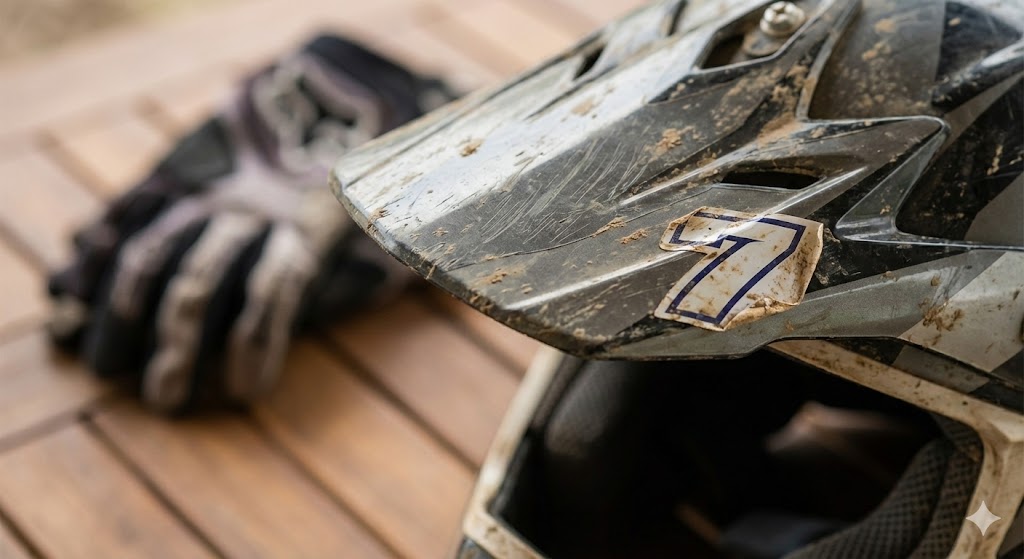
Helmet remains non-negotiable and the single most important purchase. Off-road helmets differ from road helmets in meaningful ways: extended chin bars protect against roost and debris, peaked visors shield from sun and branches, lightweight construction reduces neck strain during physical riding. ECE 22.06 certification indicates impact protection meeting current standards; MIPS or similar rotational protection systems address the angular forces responsible for many concussions. Spend whatever your budget allows on the best helmet you can afford—this is the one item where the most expensive option often genuinely is the most protective.
Africa Twin vs Ténéré 700: The Middleweight Adventure Choice
Dakar 2026: Toby Price Ends KTM's Drought
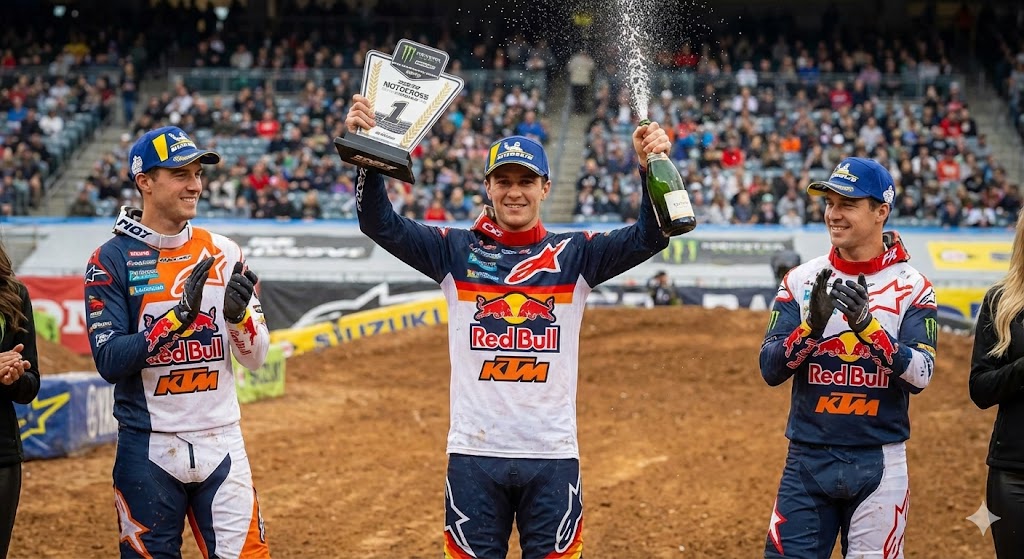
Dakar 2026 Stage One: Sanders Sets Early Pace
Dakar 2026 Stage 1: Brabec Sets Early Marker
Knee braces or guards prevent the most common serious off-road injury: ACL and MCL tears that sideline riders for months and often require surgical reconstruction. Proper knee braces (Asterisk, EVS, Pod, CTi) provide genuine ligament protection through rigid frames that limit harmful hyperextension while allowing normal movement. They cost €400-800 per pair and feel restrictive initially, but riders who've experienced knee injuries without braces rarely ride without them afterward. Soft knee guards protect against impacts but not ligament damage; they're better than nothing but not substitutes for proper braces.
Boots protect against ankle fractures and Achilles injuries common when feet catch during falls. Proper motocross boots feature rigid soles, ankle articulation control, and shin protection that street boots cannot match. The break-in period is substantial—new boots feel like ski boots—but becomes comfortable with use. Budget boots (€150-250) provide adequate protection; premium boots (€400+) offer better durability and refinement rather than dramatically improved safety. The critical factor is that they're actual motocross boots, not adventure boots or street footwear.
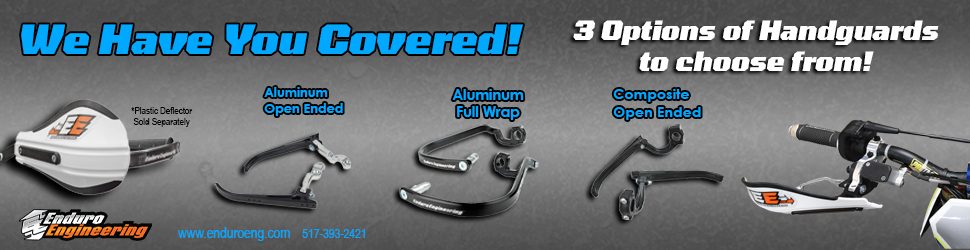
Chest protectors and roost guards serve different purposes often conflated. Roost guards deflect rocks and debris thrown by other riders but provide minimal impact protection. Chest protectors with CE-rated armor protect ribs and sternum during crashes. Both are useful; know which you're buying. Hard-shell protection generally outperforms soft armor for off-road impacts, though comfort trade-offs are significant in warm conditions.
Neck braces remain controversial after years of industry disagreement. Proponents cite studies showing reduced cervical spine injury rates; skeptics note that alternative injury mechanisms may increase. Most professional riders wear them; many serious amateurs don't. If you choose a neck brace, ensure proper fit—poorly fitting braces may worsen rather than improve outcomes. Atlas, Leatt, and Alpinestars offer quality options if you decide the evidence favors use.