
news/articles/article
Dirt Bike or Adventure Bike for Beginners? The Honest Answer
Every few weeks, someone posts in motorcycle forums asking whether they should buy a proper dirt bike or an adventure bike as their first off-road machine. The responses split predictably: dirt bike advocates insisting that learning on a lightweight machine builds essential skills; adventure bike supporters arguing that versatility matters and modern ADV bikes are plenty capable. Both positions contain truth, and both miss the more important question: what will you actually do with the motorcycle once purchased?
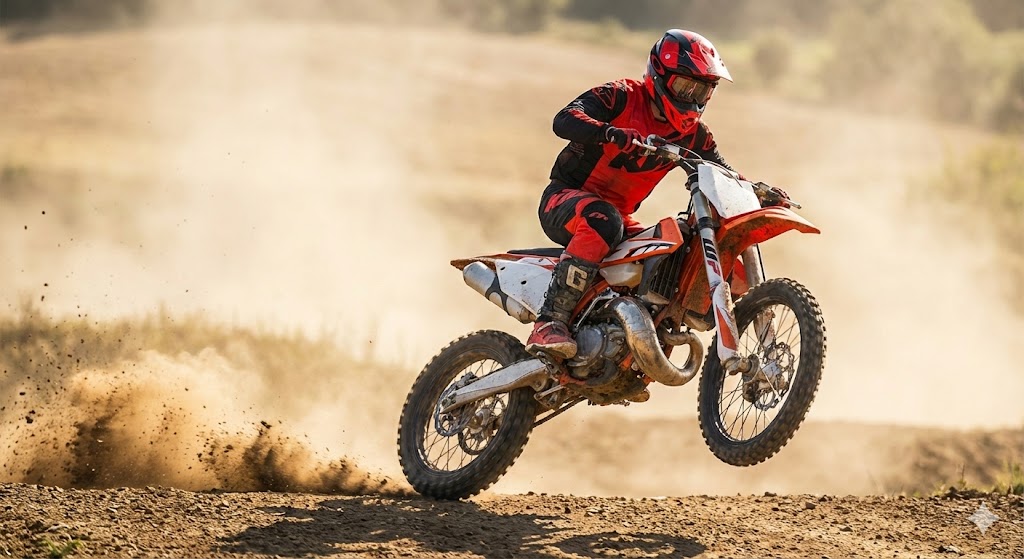
A dedicated dirt bike—something like a Honda CRF250F, Yamaha TT-R230, or Kawasaki KLX300—excels at one thing: riding off-road. It's light, narrow, simple, and forgiving of the mistakes that beginners inevitably make. When you drop it (you will drop it), the bike is easy to pick up and unlikely to suffer expensive damage. When you stall in a technical section (you will stall), restarting is straightforward and the bike's light weight means you can paddle through without disaster. The skills developed on a dirt bike transfer directly to any motorcycle you might ride later. The limitation is obvious: dirt bikes don't work well on public roads for getting to the trails, and many aren't road-legal at all.
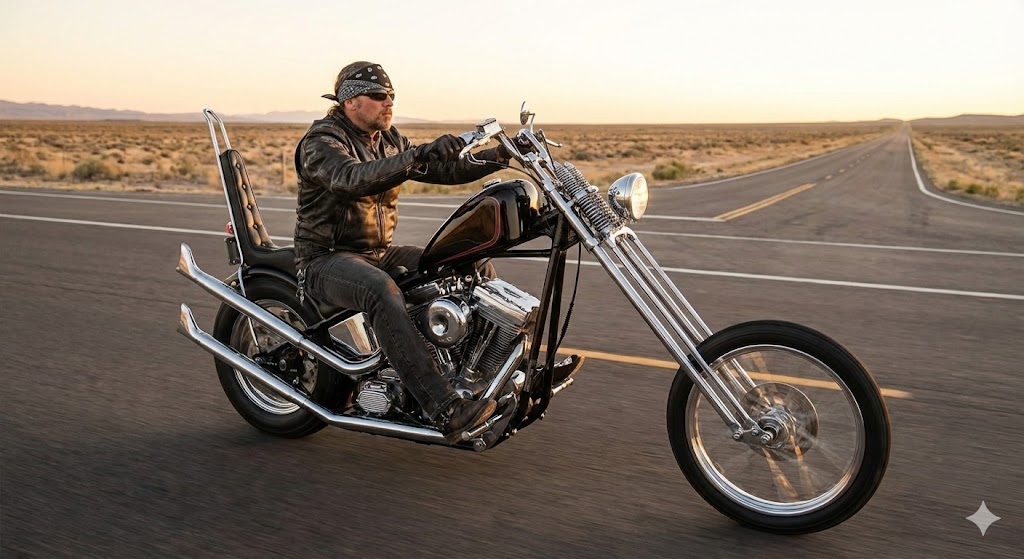
Adventure bikes—the KTM 390 Adventure, Yamaha Ténéré 700, Honda CRF300L Rally, and similar machines—offer road capability alongside off-road potential. You can commute on them, tour on them, and ride trails without needing a trailer and a second vehicle. This convenience matters for riders without easy access to off-road areas from their doorstep. The compromise: adventure bikes are heavier, more complex, and more expensive to repair when crashed. Learning on a 200kg machine means every tip-over is harder to recover from, and the consequences of mistakes are amplified both physically and financially.
The honest answer depends on your circumstances. If you have reliable transport to trail access and can afford a dedicated dirt bike alongside your regular transportation, start with a dirt bike. The skills foundation you'll build transfers to any motorcycle, and the low-consequence environment accelerates learning dramatically. If you need your motorcycle to serve multiple purposes—getting to work, weekend trips, occasional trails—an adventure bike makes more practical sense despite its learning-curve disadvantages.
Africa Twin vs Ténéré 700: The Middleweight Adventure Choice
Dakar 2026: Toby Price Ends KTM's Drought
Dakar 2026 Stage One: Sanders Sets Early Pace
Dakar 2026 Stage 1: Brabec Sets Early Marker
One option rarely discussed: buy both, sequentially. A used Honda CRF150F or similar small dirt bike costs €2,000-3,000 and teaches fundamental skills in a season of serious practice. Sell it for roughly what you paid, then purchase the adventure bike you'll keep long-term—now equipped with skills that make the bigger bike manageable rather than intimidating. The total cost difference is minimal, and the learning trajectory is dramatically better than struggling through basics on a machine that amplifies every mistake.