

news/articles/article
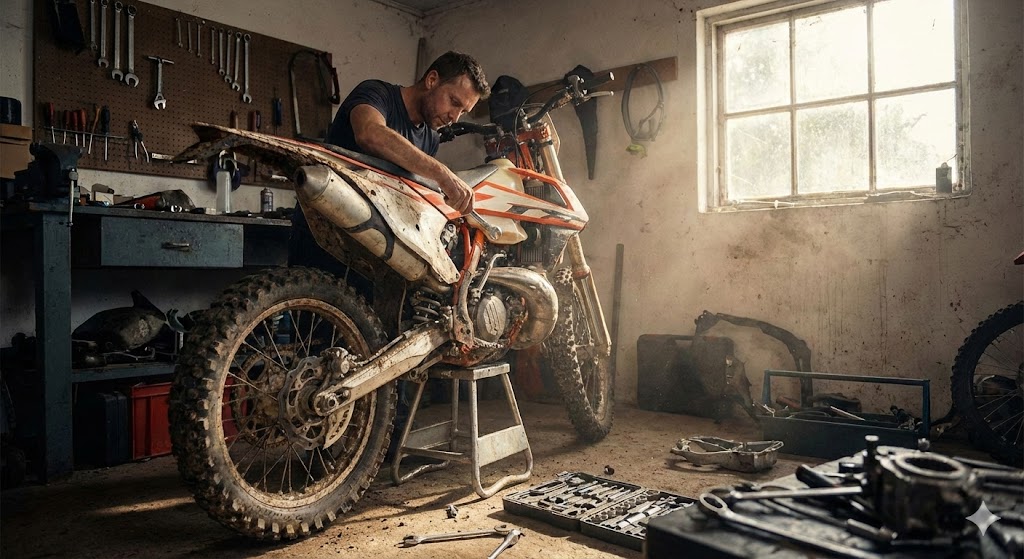
Dual Sport Suspension Brakes Chain
Dual sport motorcycles demand suspension systems capable of handling wildly different conditions within a single ride. You might start the morning on smooth pavement, transition to gravel forest roads by midday, and find yourself navigating rocky trails before returning to tarmac for the ride home. This versatility requirement forces compromise, but modern dual sports have become remarkably capable across the spectrum.
Brake setup on a dual sport involves considerations that purely street or dirt bikes can ignore. Off-road sections benefit from softer initial bite to prevent lock-ups on loose surfaces, while pavement demands the confidence to brake hard without concern. Many riders find that upgrading to braided steel brake lines improves feel and consistency across both environments.
Chain maintenance becomes especially important on bikes that regularly see dirt and debris. O-ring and X-ring chains have made significant advances in sealing and longevity, but they still require regular cleaning and lubrication. Dual sport riders should carry a small bottle of chain lube and apply it frequently when covering long distances on dusty roads.
Suspension sag settings deserve attention whether you ride primarily on or off-road. Proper sag ensures the suspension operates in its designed range, maintaining adequate travel for bumps and drops while keeping geometry correct for stable handling. Most dual sports arrive from the factory set for an average rider weight, so taller or heavier riders should adjust accordingly.
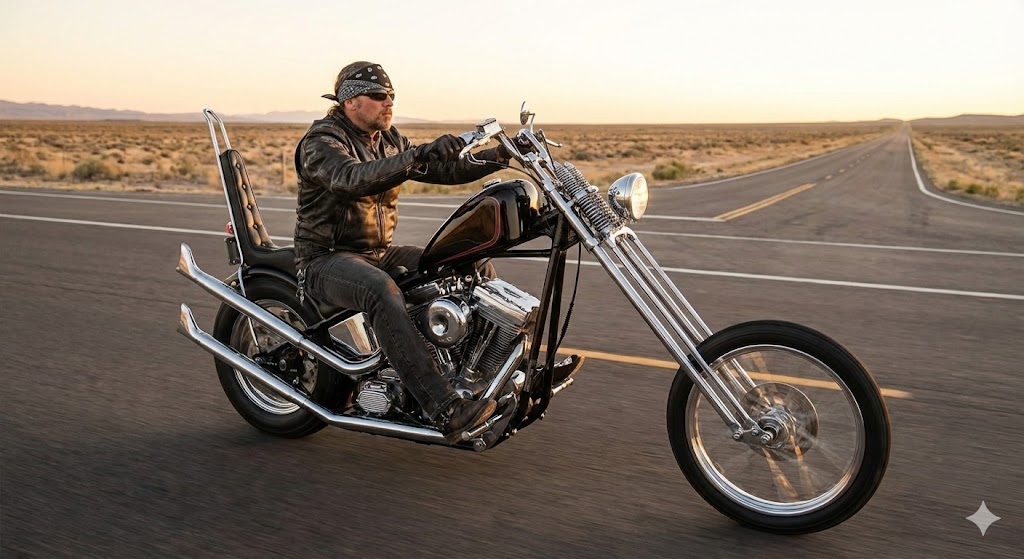
Africa Twin vs Ténéré 700: The Middleweight Adventure Choice
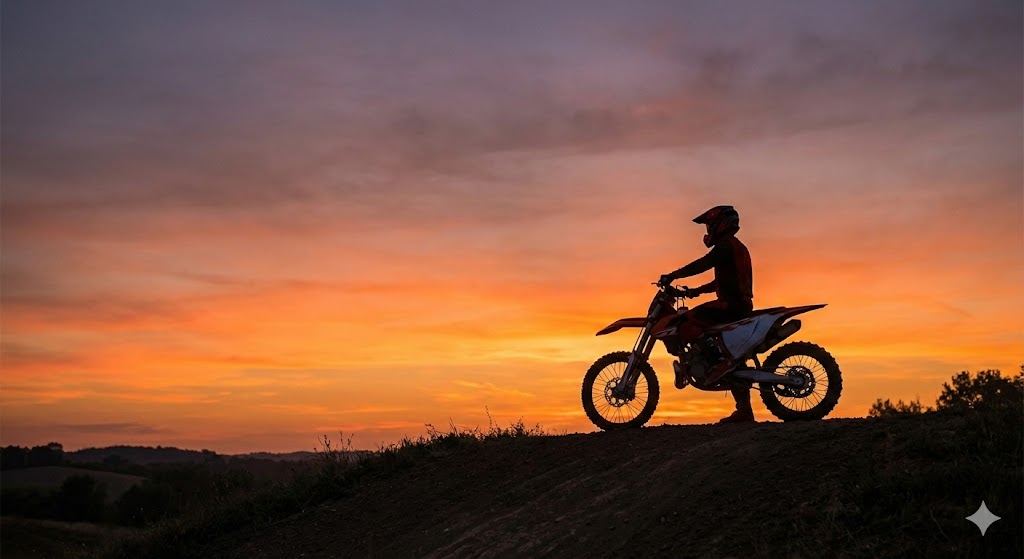
Dakar 2026: Toby Price Ends KTM's Drought
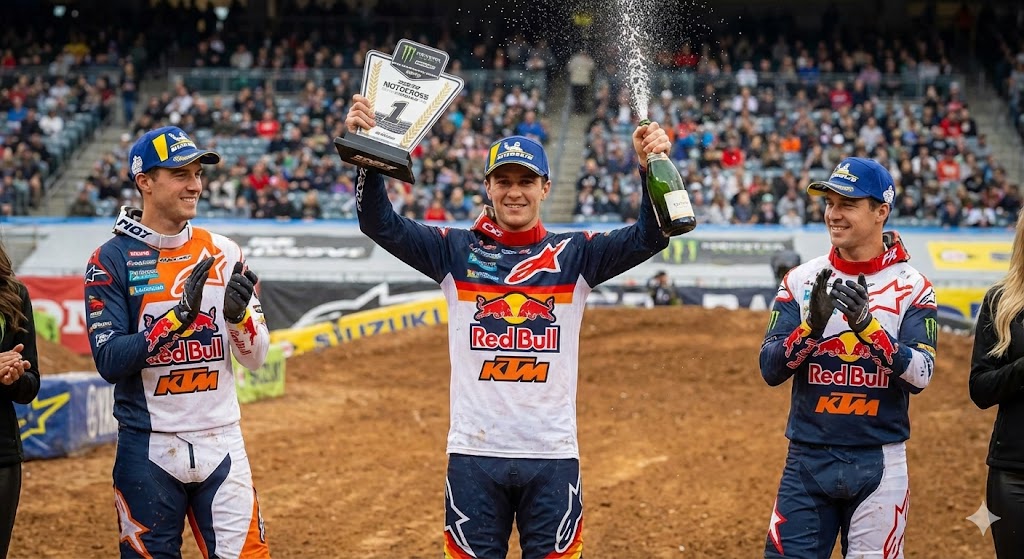
Dakar 2026 Stage One: Sanders Sets Early Pace
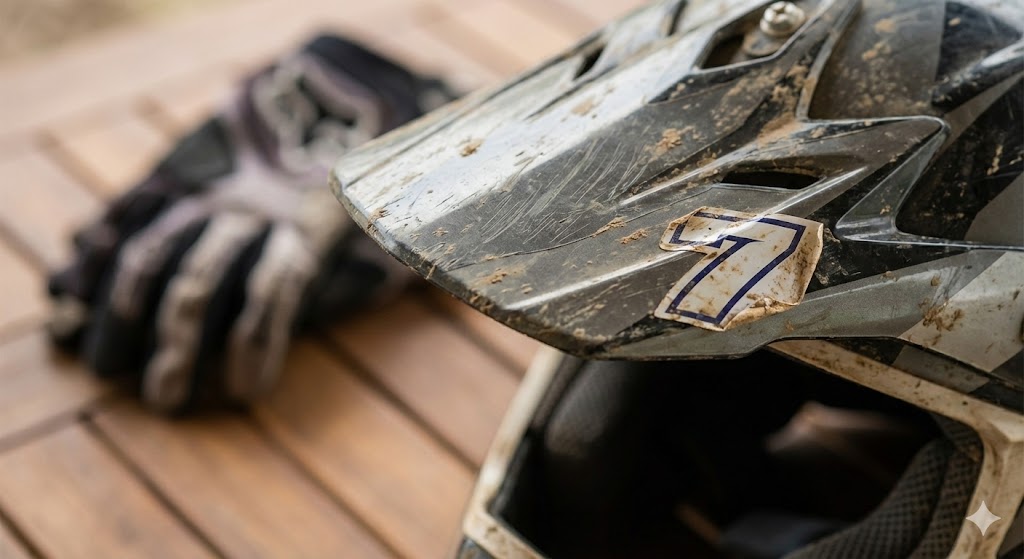
Dakar 2026 Stage 1: Brabec Sets Early Marker
The interplay between suspension and braking becomes apparent when descending steep grades. Properly set up forks that remain high in their travel maintain stable geometry under braking, while bottomed-out suspension pitches weight forward uncomfortably and reduces rear tire grip. Practice modulating brakes smoothly on descents to keep the bike balanced and controlled.