
news/articles/article
Dual-sport tire pressure on gravel
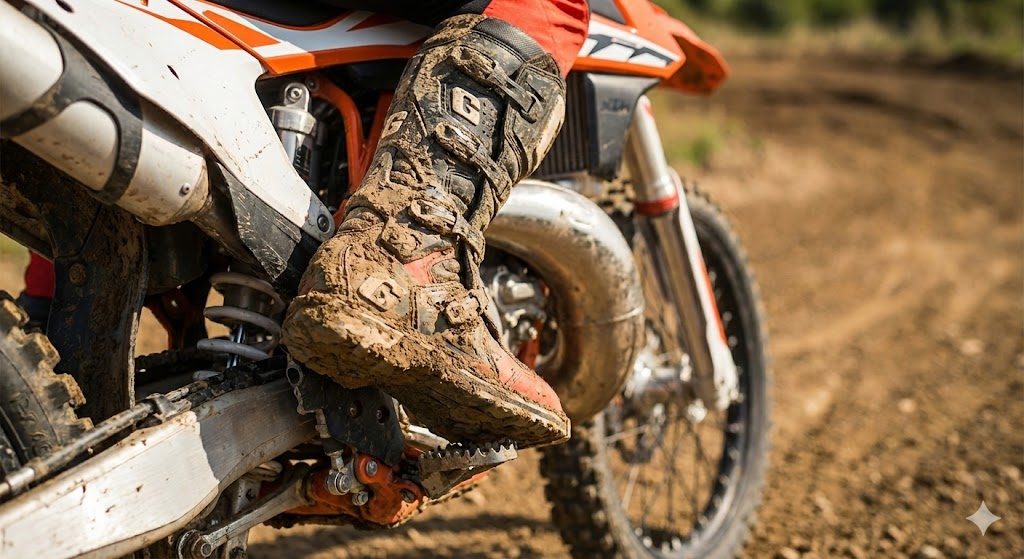
Finding the sweet spot for tire pressure on gravel roads is an art that separates seasoned dual-sport riders from weekend warriors. Run too high and your tires skip across loose stones like a flat rock on water. Go too low and you risk pinch flats and rim damage when those inevitable square-edged rocks appear.
For most adventure and dual-sport tires, starting around 28-30 PSI in the rear and 24-26 PSI up front provides a solid baseline for maintained gravel roads. This pressure allows the tire carcass to conform around smaller stones while maintaining enough structure to prevent rim strikes on larger obstacles.
Africa Twin vs Ténéré 700: The Middleweight Adventure Choice
Dakar 2026: Toby Price Ends KTM's Drought

Dakar 2026 Stage One: Sanders Sets Early Pace
Dakar 2026 Stage 1: Brabec Sets Early Marker
The key is reading the surface. Freshly graded roads with deep, loose gravel benefit from lower pressures that let the tire dig through to firmer substrate. Hard-packed forest service roads with occasional loose patches can handle pressures closer to street settings.
Tube-type tires demand more conservative pressure drops than tubeless setups. With tubes, pinch flats become a real concern below 22 PSI. Tubeless riders can push into the high teens for technical sections, though rim protection inserts like TuBliss or Heidenau tubes offer added security when exploring unknown terrain.
Always carry a quality gauge and portable pump. Digital gauges provide consistent readings that analog units struggle to match. A hand pump works for emergencies, but a CO2 system or compact electric inflator saves significant time and energy when transitioning between gravel stints and highway sections throughout your ride.