
news/articles/article
Surviving Your First Trail Ride: A Practical Guide
Your first trail ride will probably include at least one fall, multiple stalls, and moments where you question why you thought this was a good idea. This is normal. Everyone who now rides competently experienced similar humiliation during their introduction to off-road riding. The goal isn't perfection; it's survival and sufficient enjoyment that you want to try again. Here's how to maximize the latter while minimizing the former.
Choose your first trail carefully. Not all trails are created equal, and the wrong choice can transform an introduction into an ordeal. Look for trails described as "beginner friendly" or "family suitable"—these may wound your ego but won't exceed your capability. Technical singletrack, rock gardens, and anything described as "challenging" should wait until you've developed fundamental skills. Your first few rides should build confidence, not destroy it.
Ride with someone more experienced but patient. The ideal mentor maintains encouraging pace without pushing you beyond comfort, offers specific advice for specific situations, and demonstrates techniques you can actually replicate. Avoid riding with groups focused on their own fun—you'll either hold them back or push yourself into situations you're not ready for. A single experienced friend is worth more than any group ride for learning.
Tire pressure matters more than beginners realize. Street pressures (typically 2.0-2.5 bar) are far too high for dirt. Reduce to 1.2-1.5 bar for trail riding—the softer tire conforms to terrain, dramatically improving grip. Yes, this increases puncture risk. Yes, the improvement in traction is worth it. Carry a pump to reinflate before any road sections.
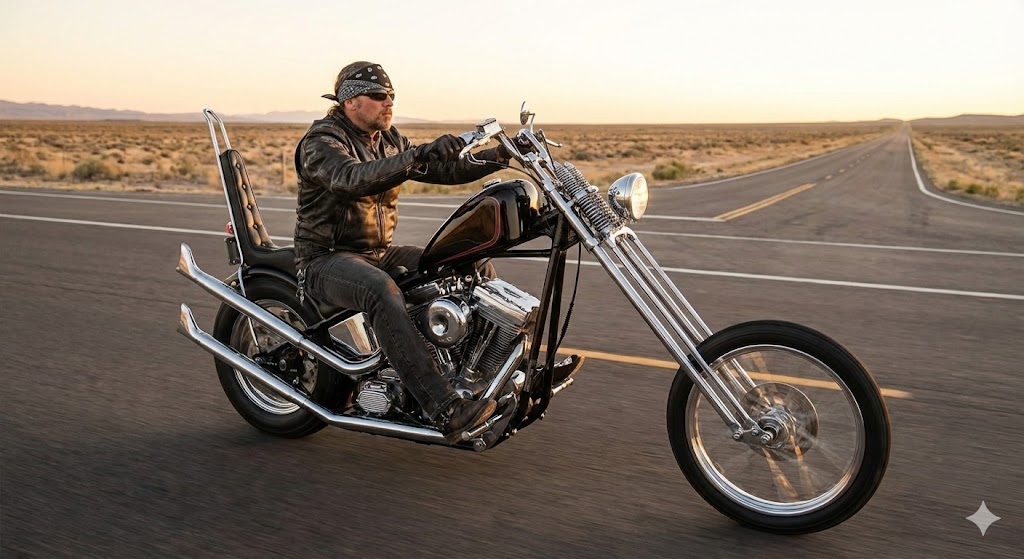
Africa Twin vs Ténéré 700: The Middleweight Adventure Choice
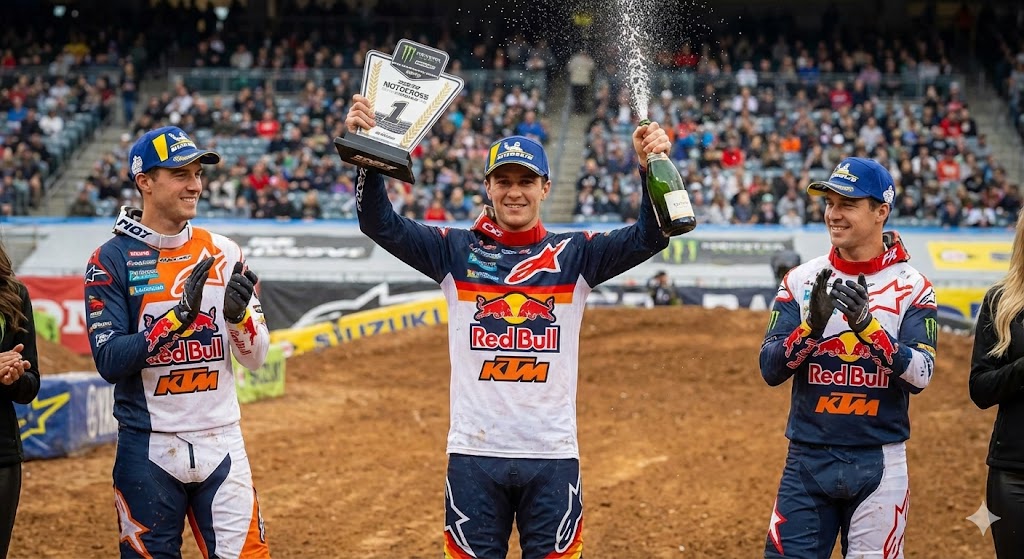
Dakar 2026: Toby Price Ends KTM's Drought
Dakar 2026 Stage One: Sanders Sets Early Pace
Dakar 2026 Stage 1: Brabec Sets Early Marker
When you fall—not if—resist the urge to immediately assess damage to the motorcycle. Check yourself first: are you injured? Then check whether the bike is leaking fluids. Cosmetic damage can wait. Kill the engine if it's still running, take a breath, and only then right the motorcycle. The adrenaline of a fall creates urgency that usually isn't warranted.
Know your exit strategy. Before committing to any trail, understand how you'll return if things go wrong. Can you turn around? Is there a bail-out route? Does your phone have signal for emergency calls? The adventure fantasy of pushing into unknown terrain is appealing, but the reality of being stuck with a damaged bike and no easy recovery is not. Conservative planning enables confident riding.