
news/articles/article
Fixing Common Two-Stroke Problems: A Troubleshooting Guide
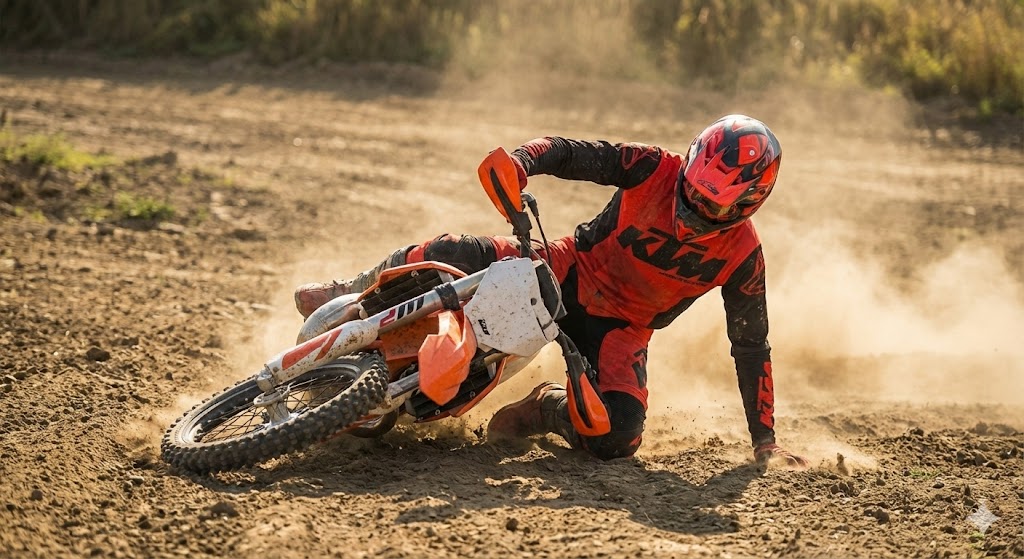
Two-stroke engines are mechanically simpler than four-strokes, which means troubleshooting requires understanding fewer systems while recognizing that the remaining systems are critical. When a two-stroke runs poorly, the problem almost always traces to fuel delivery, ignition, or air sealing. This guide covers the common issues that sideline two-stroke enduro bikes and the diagnostic approach that identifies them efficiently.
Hard starting or no-start conditions typically involve fuel or spark. Check spark first—it's faster. Remove the plug, ground it against the engine, and kick the engine while watching for spark. Blue spark is healthy; weak yellow or absent spark indicates ignition problems. If spark is good, the fuel system needs attention: blocked jets on carburetted bikes, injector or sensor issues on TPI models. Two-strokes flood easily if over-primed; a flooded engine may require clearing the cylinder by kicking with the throttle wide open and the kill switch engaged.
Weak power or "bogging" under load suggests lean fueling or air leaks. On carburetted bikes, this often indicates clogged jets or low float level. On TPI bikes, check the throttle position sensor and map sensor for correct readings. Air leaks around crank seals, reed valves, or intake manifolds cause lean conditions that no fuel adjustment can overcome. A simple leak-down test—pressurizing the crankcase and monitoring pressure retention—identifies air sealing issues quickly.
Excessive smoke indicates rich fueling, oil injection problems, or worn rings allowing oil past. Some smoke is normal for two-strokes; billowing clouds are not. Check oil injection pump calibration if equipped. Worn piston rings allow blowby that reduces compression and increases oil consumption—compression testing reveals this condition. Rings and piston are relatively inexpensive; ignoring the problem until seizure is not.
Africa Twin vs Ténéré 700: The Middleweight Adventure Choice
Dakar 2026: Toby Price Ends KTM's Drought
Dakar 2026 Stage One: Sanders Sets Early Pace
Dakar 2026 Stage 1: Brabec Sets Early Marker
Overheating on two-strokes manifests as sudden power loss and pinging sounds under load. Stop immediately—continued operation causes seizure. Common causes include lean fueling, cooling system problems, or simply exceeding the engine's heat rejection capacity in extreme conditions. Let the engine cool completely before investigating. Check coolant level and circulation, then examine fueling. If no obvious cause appears, the engine may have already sustained damage requiring inspection.