
news/articles/article
Honda CRF300L: 25,000 Kilometres of Real-World Ownership
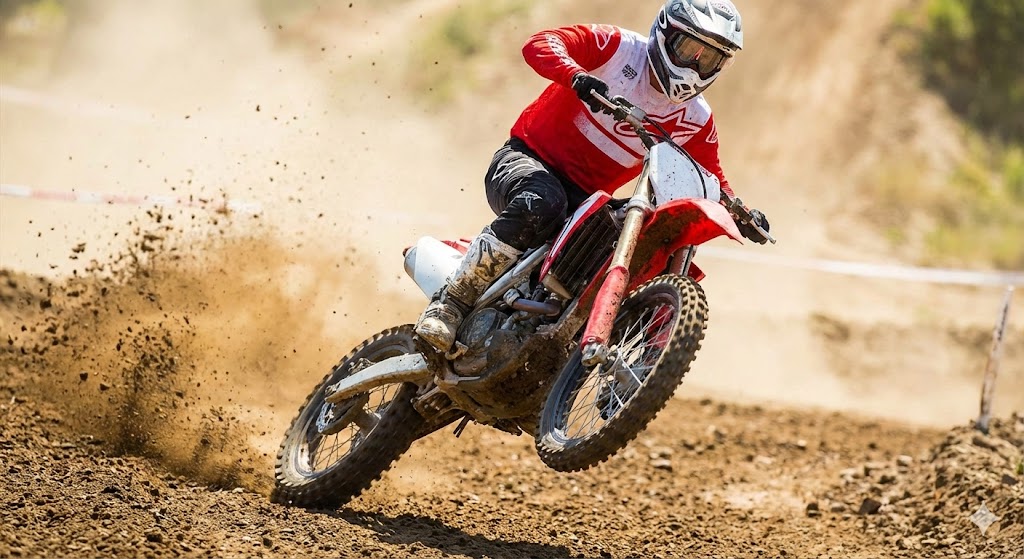
Twenty-five thousand kilometres ago, I bought a Honda CRF300L as a second bike—a machine for local trails and commuting that wouldn't matter if it fell over or got muddy. It was supposed to be the motorcycle I didn't care about, the one I'd ride hard without worrying about scratches or resale value. Two years later, I've discovered that the CRF300L is simultaneously exactly what Honda promises and something more than the sum of its modest specifications. This long-term report reflects genuine daily ownership rather than a week with a press bike, with all the context that extended experience provides.
The 286cc single-cylinder engine will never feature in pub conversations about power. Its 27 horsepower propels the 142kg motorcycle adequately rather than excitingly, with a power delivery so linear it borders on characterless. Yet that blandness is precisely what makes the CRF300L so versatile. There's no powerband to catch you out, no point in the rev range where the bike suddenly wakes up and overwhelms available traction. New riders find it approachable; experienced riders find it predictable. On trails where traction is uncertain, the engine's mild manners mean you can concentrate on line choice and body position rather than managing surplus power. On highway sections connecting those trails, sixth gear settles at 110km/h with acceptable vibration and enough passing ability to not feel endangered.
Fuel consumption averages 3.2 litres per 100 kilometres across my ownership—remarkably consistent regardless of riding style. Hammering trails produces the same consumption as highway cruising, presumably because the small engine works hard everywhere rather than coasting at partial throttle. The 7.8 litre tank provides around 240 kilometres of real-world range, which is adequate for day trips but requires planning for longer adventures. I've fitted an aftermarket 12 litre tank from Safari that extends range to approximately 375 kilometres—the single most valuable modification I've made.
Suspension is the CRF300L's most significant weakness and its most worthwhile upgrade target. The standard Showa units provide 260mm of travel front and rear—impressive numbers—but the damping is soft and poorly controlled, leading to wallowing behaviour on rough surfaces and bottoming on anything resembling a proper hit. I ran the stock suspension for the first 8,000 kilometres, accepting its limitations. Then I crashed hard enough to question whether my skills had deteriorated or the bike was genuinely holding me back. A suspension revalve by a specialist (approximately £400) transformed the motorcycle, providing controlled damping that lets the travel work properly rather than merely existing. The CRF300L with sorted suspension is a genuinely capable trail bike; with stock suspension, it's a compromise that discourages pushing limits.
Africa Twin vs Ténéré 700: The Middleweight Adventure Choice
Dakar 2026: Toby Price Ends KTM's Drought
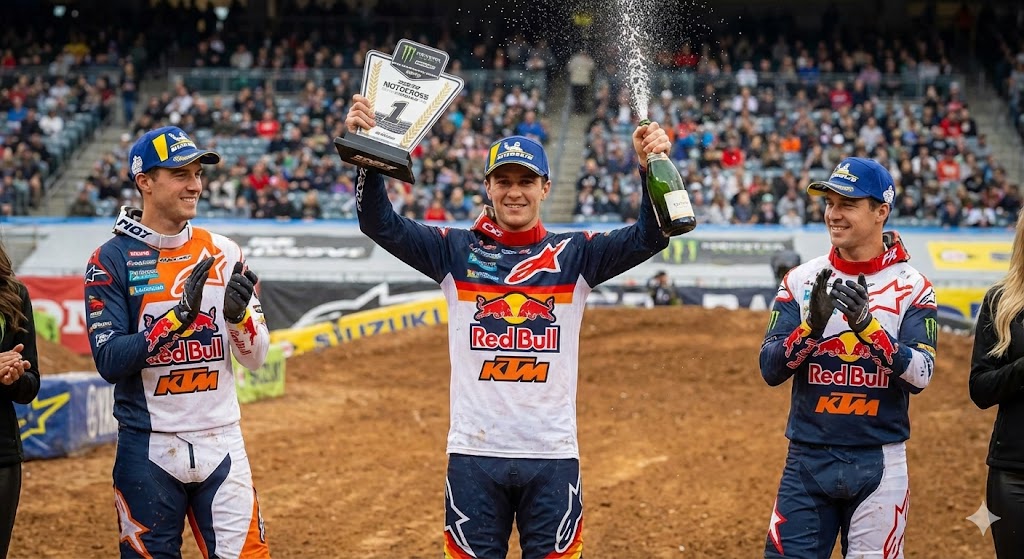
Dakar 2026 Stage One: Sanders Sets Early Pace
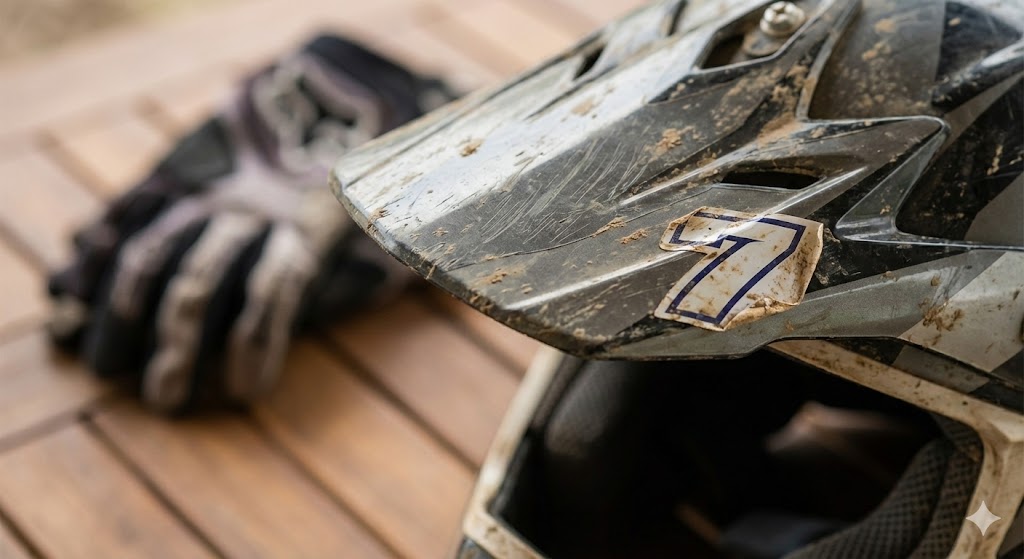
Dakar 2026 Stage 1: Brabec Sets Early Marker
Reliability over 25,000 kilometres has been effectively perfect. No breakdowns, no unscheduled maintenance, no surprises. The fuel injection starts instantly in any temperature, the engine has consumed no oil between services, and every component has functioned exactly as intended. This sounds like faint praise until you consider how many supposedly premium motorcycles require attention during similar mileage. The Honda simply works, every time, regardless of how it's treated. I've pressure-washed the engine repeatedly, ridden through rivers deep enough to submerge the airbox, and stored the bike outdoors during winter months—none of this has caused the slightest problem.
Maintenance costs have been minimal. Oil changes every 6,000 kilometres using quality synthetic oil cost approximately £30 in materials. The chain and sprockets lasted 20,000 kilometres despite regular off-road abuse—testament to proper lubrication and the modest power output. Brake pads have been replaced once per end. Tyres depend entirely on choice and usage; I've run through several sets of Pirelli MT21s, which cost roughly £180 per pair and last 4,000-6,000 kilometres depending on road versus trail ratio. Total maintenance expenditure over 25,000 kilometres: approximately £800, including tyres. Find a modern motorcycle with lower running costs and I'll be impressed.
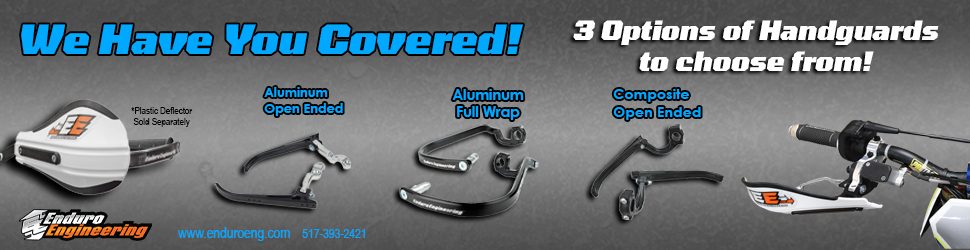
What would I change if I were keeping the bike another two years? The seat is genuinely uncomfortable beyond 90 minutes, and aftermarket options are expensive relative to the bike's value. The handlebars position my wrists awkwardly for standing trail work—a taller, wider bar helps significantly. And I'd have done the suspension work immediately rather than waiting; the improvement is worth every penny. These are refinements rather than corrections, improvements to an already functional package rather than fixes for fundamental flaws. The CRF300L won't excite magazine reviewers chasing superlatives, but it might be the most sensible dual-sport motorcycle currently available. Sometimes sensible is exactly what you need.