
news/articles/article
Mastering the Clutch at Slow Speed: Where Most Riders Struggle
The motorcycle training industry focuses heavily on cornering technique, emergency braking, and hazard perception—skills that unquestionably save lives in traffic. Yet most motorcycle drops happen in car parks and driveways, at walking pace or while stationary, when a moment's imbalance tips the bike past the point of recovery. These slow-speed mishaps cause damage, embarrassment, and injuries that faster riding rarely produces. The culprit, almost always, is inadequate clutch control: the fundamental skill that makes walking-pace riding feel controlled rather than terrifying.
Understanding the friction zone—that band of clutch lever travel where the clutch partially engages, transferring some but not all engine power to the rear wheel—transforms slow-speed capability. In this zone, you're neither fully connected nor fully disconnected; you're modulating power precisely according to momentary need. When balance wavers slightly, a tiny release of the clutch lever delivers a pulse of drive that stabilizes the motorcycle. When momentum builds faster than needed, a small pull reduces power without fully disengaging. The clutch becomes a throttle for fine control, responding to inputs far more subtle than the actual throttle allows.
Finding your friction zone requires deliberate practice on flat, clear ground. With the engine idling and the clutch fully pulled, begin slowly releasing the lever until you feel the bike want to move—that's the friction zone's beginning. Continue releasing until the clutch engages fully and the bike moves at idle speed—that's the end. The zone typically spans 10-15mm of lever travel, varying by motorcycle. Your mission is learning exactly where this zone lives on your particular bike, so you can find it instantly without conscious thought.
Practice exercises build the muscle memory that makes slow-speed riding automatic. The figure-eight drill remains invaluable: lay out two markers roughly four metres apart and ride continuous figure-eight patterns around them as slowly as possible without putting a foot down. This forces constant clutch modulation through direction changes while maintaining balance. Initially, wide patterns and moderate speed are appropriate; as skill develops, tighten the pattern and slow the pace. Advanced riders can perform figure-eights in parking spaces—a feat that seems impossible until clutch control becomes second nature.
Africa Twin vs Ténéré 700: The Middleweight Adventure Choice
Dakar 2026: Toby Price Ends KTM's Drought
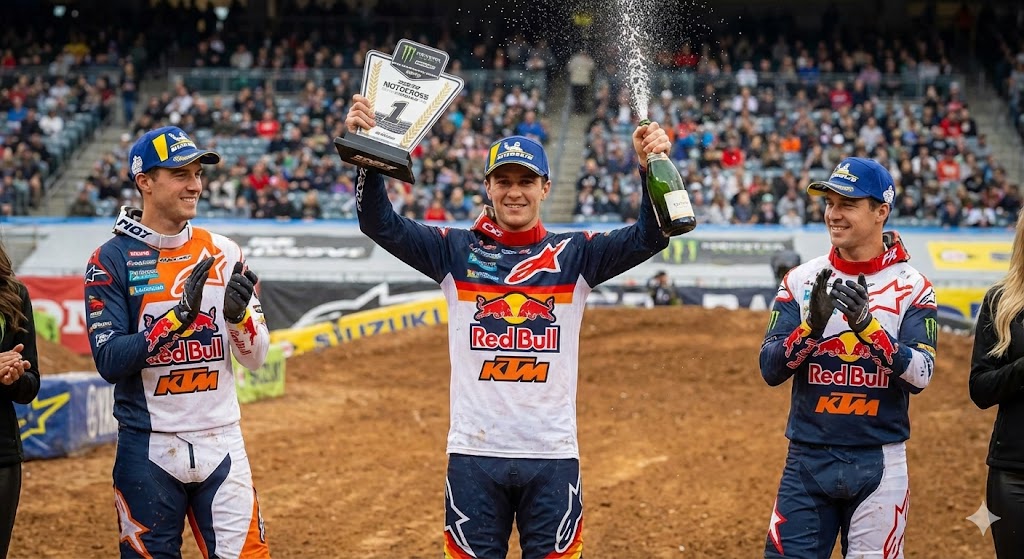
Dakar 2026 Stage One: Sanders Sets Early Pace
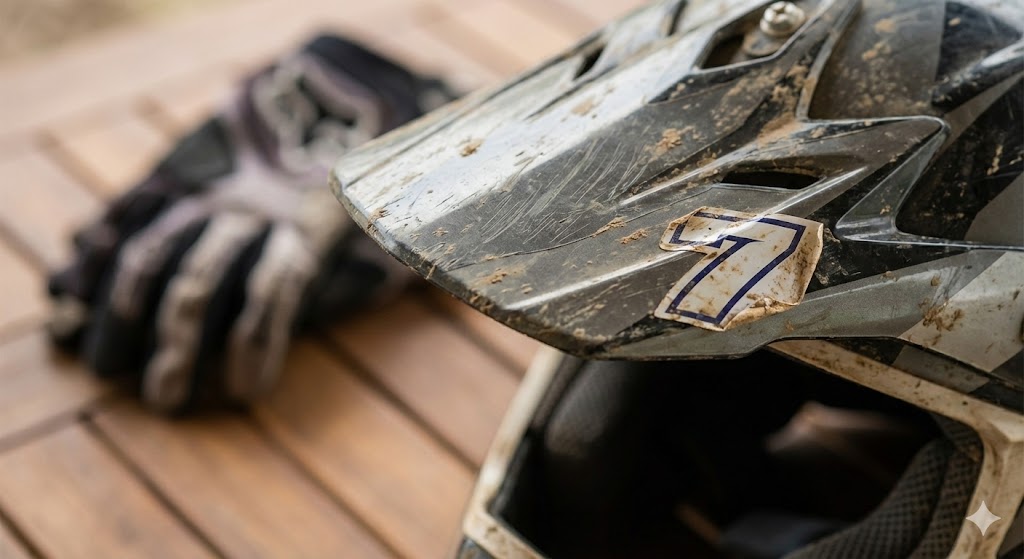
Dakar 2026 Stage 1: Brabec Sets Early Marker
The "drag brake" technique adds another layer of control. While maintaining gentle rear brake pressure, hold the throttle slightly above idle and modulate speed entirely through the clutch. The brake provides resistance that prevents the bike from lurching when clutch inputs are imperfect, creating a more stable system for beginners to learn within. As proficiency grows, the rear brake becomes less necessary, but many experienced riders continue using it for maximum control in challenging situations—trial riding techniques often employ constant rear brake even at competition level.
Counterweighting becomes relevant at walking pace and below. On a normally moving motorcycle, you steer by countersteering—pressing left to go left, which initiates lean. At very slow speeds where gyroscopic forces diminish, countersteering becomes ineffective and balance shifts toward bicycle-style steering. In this regime, leaning the bike while keeping your body upright (or leaning opposite to the bike) provides stability. The clutch enables this by controlling forward momentum precisely enough that you can focus on balance without worrying about speed variations.

Common errors reveal themselves quickly. The "on-off" clutch—either fully engaged or fully disengaged with nothing between—creates the jerky, uncertain riding that precedes most slow-speed drops. The "death grip" on the clutch lever, with white knuckles from tension, prevents the fine modulation that smooth slow-speed riding requires. And the "look down" habit, staring at the front wheel rather than toward the intended direction, guarantees the wobbles that cause panic. Address these errors consciously: smooth clutch operation, relaxed grip, eyes up and forward.