news/articles/article
New Year's Resolutions That Actually Make You a Better Rider
January invites resolutions, most of which last until the first wet commute or the third consecutive weekend of excuses. Meaningful improvement in motorcycling doesn't come from vague commitments to "ride more" or "get better"—it comes from specific, measurable changes that build genuine skill rather than merely accumulating miles. Here are resolutions worth making because they're worth keeping.
Commit to one training day per quarter. A professional coaching session reveals habits you didn't know you had and techniques you've never considered. The cost—typically €150-300 for a group day, more for individual instruction—returns value for years through improved safety and enjoyment. Choose programs relevant to your riding: off-road skills for adventure riders, track days for sportbike enthusiasts, advanced road craft for touring-focused motorcyclists. Four days per year isn't burdensome, and the accumulated learning transforms riding quality in ways that self-practice rarely achieves.
Practice slow riding for ten minutes before every ride. Find a carpark or quiet street and run through figure-eights, tight U-turns, and clutch-slip manoeuvres. This sounds tedious, and it is—which is precisely why most riders never develop proper slow-speed skills. The payoff is confidence in situations that cause most riders anxiety: parking lots, fuel stations, tight trail turnarounds. Those ten minutes, invested consistently, produce more practical improvement than hours of spirited canyon riding.
Learn basic mechanical skills. You don't need to rebuild engines, but changing tyres, adjusting chain tension, bleeding brakes, and setting suspension sag are fundamental knowledge that makes you self-sufficient and deepens your relationship with the motorcycle. YouTube tutorials cover every procedure on every bike; the barrier isn't information, it's initiative. Resolve to complete one new maintenance task per month. By year's end, you'll have a toolkit of capabilities that reduce costs and increase independence.
Ride somewhere new each month. Routine dulls perception; novelty sharpens it. Unfamiliar roads demand attention to corner radius, surface conditions, and traffic patterns in ways that habitual commutes allow you to ignore. The "new" doesn't require exotic destinations—a different route to a familiar endpoint counts. The goal is resisting the comfort of repetition that lets skills stagnate unnoticed.
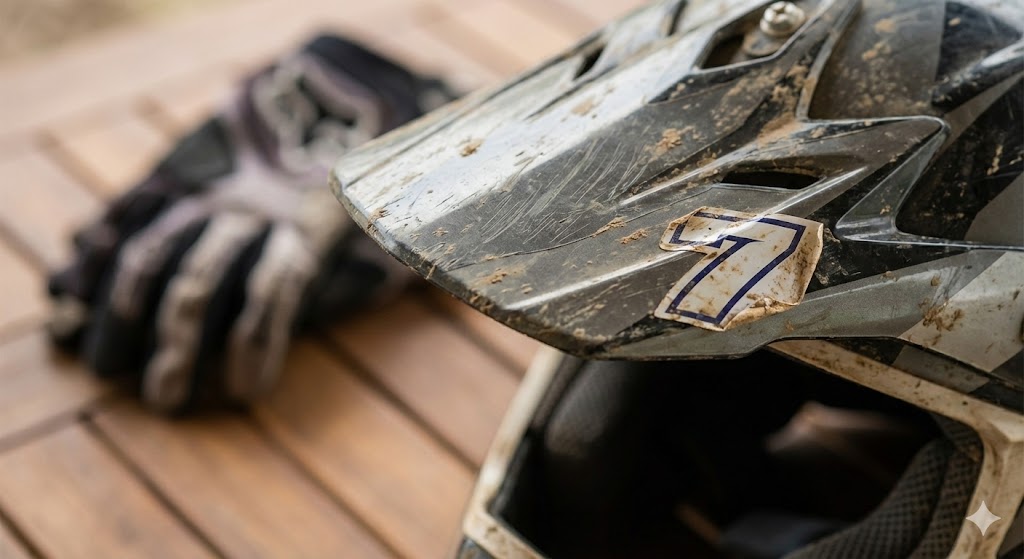
Finally, resolve to replace one piece of safety gear this year. Equipment degrades with age and use in ways not always visible. A five-year-old helmet may look fine while its protective foam has hardened and compressed. Glove stitching weakens. Textile waterproofing fails. Choose the oldest or most-used item in your kit and replace it with the best quality you can afford. Your future self, potentially measuring the consequences of a crash, will thank you for the investment.