news/articles/article
Overcoming Fear in Off-Road Riding: A Honest Discussion
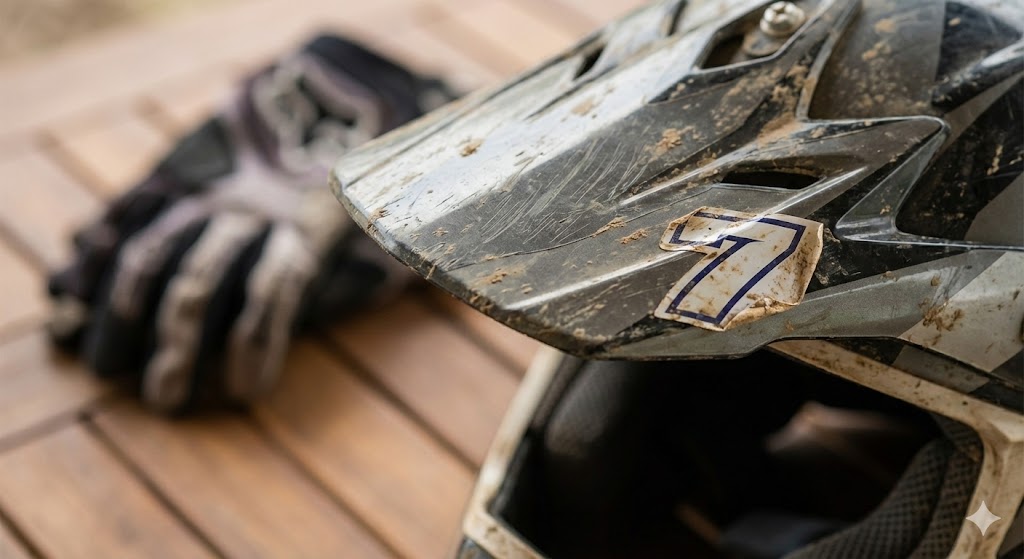
Fear in off-road riding isn't shameful or unusual—it's universal and appropriate. Motorcycling is objectively dangerous, and dirt riding compounds the hazards with constantly varying surfaces, obstacles, and consequences of mistakes. The rider who claims never to feel fear is either lying or lacking self-awareness. What distinguishes skilled riders isn't the absence of fear but the relationship they've developed with it: understanding when fear provides useful information versus when it limits unnecessarily.
Fear manifests physically before you consciously recognize it. Tight grip on the handlebars. Held breath. Tension in shoulders and forearms. Sitting when standing would be more appropriate. These physical symptoms create the very outcomes fear tries to prevent—tight grip causes arm pump and reduces control; held breath starves muscles of oxygen; sitting limits suspension action and visibility. Learning to recognize these physical tells is the first step toward managing their effects.
Africa Twin vs Ténéré 700: The Middleweight Adventure Choice
Dakar 2026: Toby Price Ends KTM's Drought
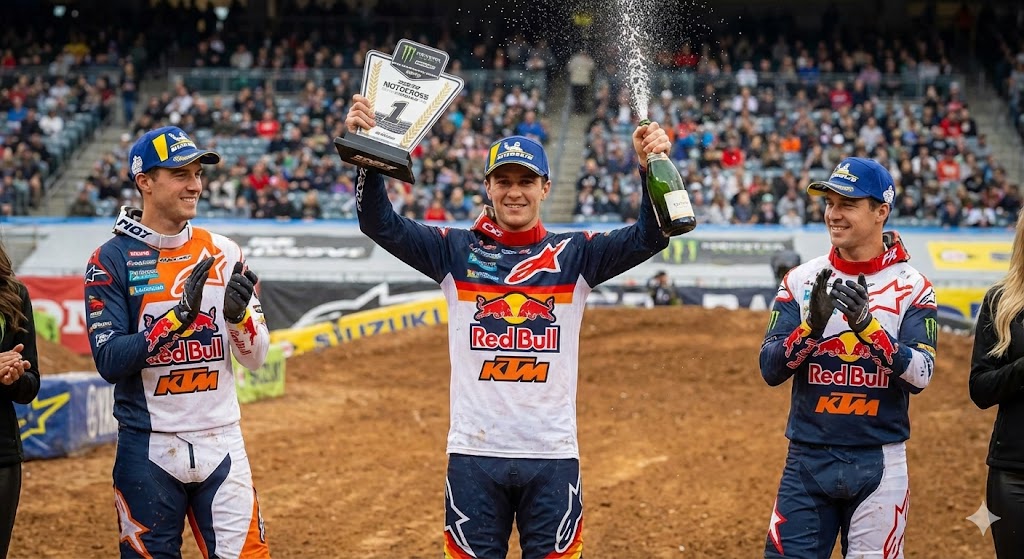
Dakar 2026 Stage One: Sanders Sets Early Pace
Dakar 2026 Stage 1: Brabec Sets Early Marker
Exposure therapy works. The unknown frightens us more than the familiar, and most riding fears stem from uncertainty about outcomes. The first time you attempt a rocky descent, fear is appropriate—you genuinely don't know whether you can manage it. The tenth time down similar terrain, fear should diminish because experience has proven the challenge is within your capability. Deliberately seeking controlled exposure to feared situations—steeper descents, looser surfaces, higher speeds—builds the experiential database that reduces rational fear.
Some fear is useful information that shouldn't be ignored. If every instinct screams that the obstacle ahead exceeds your capability, that instinct might be correct. The goal isn't fearlessness—it's accurate calibration between actual capability and perceived capability. Under-confident riders miss opportunities for enjoyable challenges; over-confident riders get injured. The sweet spot involves attempting things that trigger manageable anxiety while recognizing when anxiety indicates genuine danger.
Training accelerates the process. A coach observing your riding can identify specific skill gaps that create fear—you might be terrified of descents because your weight position is wrong, and correcting that single factor transforms terror into comfort. Self-diagnosis is difficult because you can't observe yourself riding; external feedback shortcuts the learning process. A single coaching day often eliminates fears that years of solo practice couldn't touch.
Fitness matters more than most riders acknowledge. Physical exhaustion amplifies fear—when your arms are pumped and your legs are shaking, challenges that would be manageable when fresh become terrifying. Building motorcycling-specific fitness extends your capability window, pushing the point where fear becomes dominant further into the ride. The confidence that comes from knowing your body won't fail translates directly into willingness to attempt challenging terrain.