

news/articles/article

Ride Modes Gearbox Urban Forks
Urban commuting presents challenges that purpose-built ride modes address effectively. Stop-and-go traffic rewards smooth throttle response over sharp power delivery. Wet city streets demand reduced intervention thresholds from traction control. Modern bikes offer modes optimized for exactly these conditions.
City mode typically softens initial throttle response, making low-speed maneuvers less jerky. The reduced power delivery matches urban speed limits while extending range through improved efficiency. Some systems also adjust suspension damping for pothole-riddled city streets.
Gearbox behavior changes with ride mode selection on some platforms. Quick shifters may activate only in sport modes. Shift timing maps adjust hold points in automatic-equipped models. Understanding these changes prevents confusion when the bike responds differently in city mode versus highway settings.
Urban fork settings differ from highway or sport configurations. Softer compression handles parking lot speed bumps without unsettling the chassis. Slower rebound prevents the front end from popping up under acceleration between traffic lights. The comfort bias trades some cornering precision for daily livability.
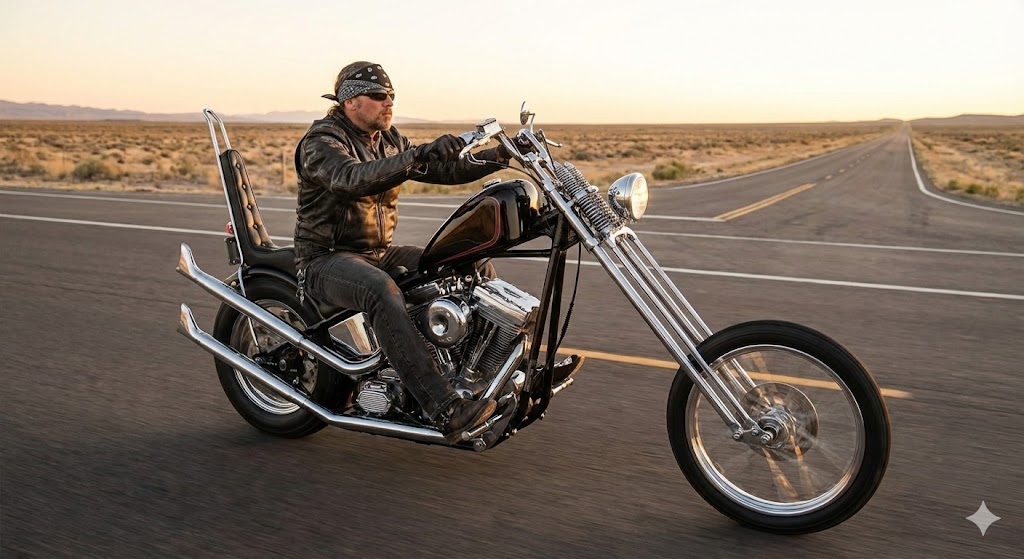
Africa Twin vs Ténéré 700: The Middleweight Adventure Choice

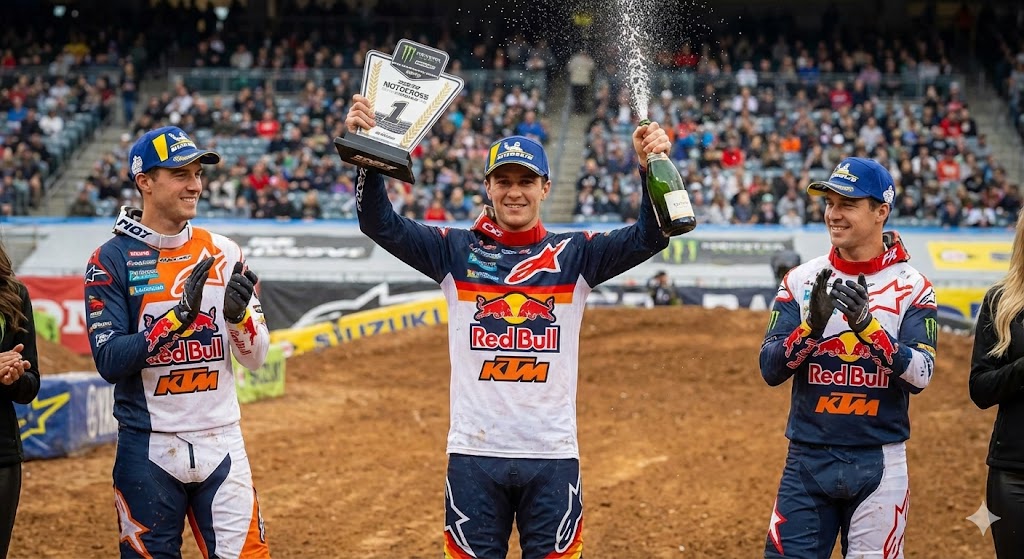
Dakar 2026: Toby Price Ends KTM's Drought
Dakar 2026 Stage One: Sanders Sets Early Pace

Dakar 2026 Stage 1: Brabec Sets Early Marker
Electronic suspension systems take urban optimization further. Sensors detect rough surfaces and adjust damping continuously. The result is comfort approaching cruiser levels while maintaining the sporting character available at the push of a button when you escape the city limits.