
news/articles/article
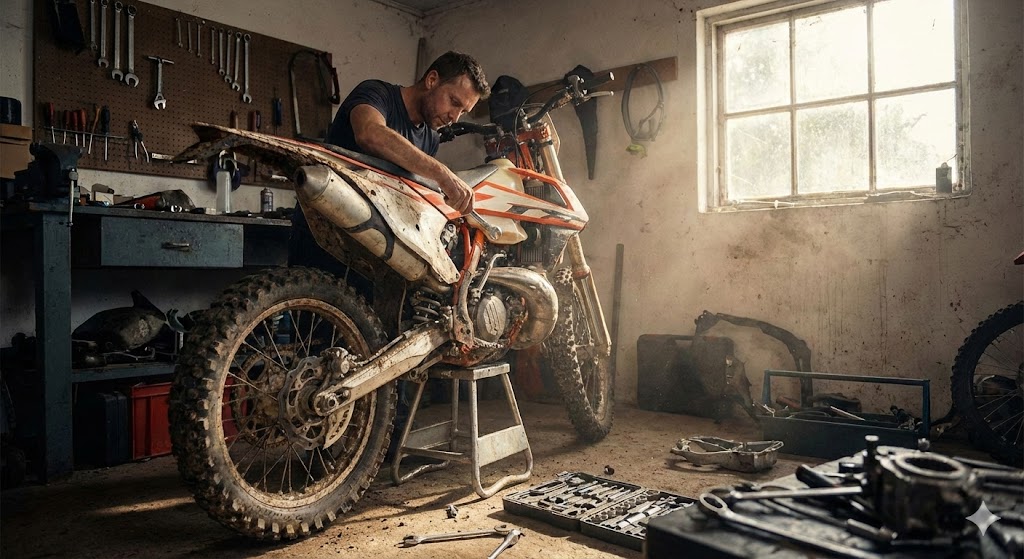
Trail riding ABS calibration tips
When venturing off the tarmac, your ABS system becomes both ally and potential hindrance. Modern adventure bikes come equipped with sophisticated braking electronics, but factory settings are typically optimized for road use. Understanding how to calibrate your ABS for trail conditions can mean the difference between a confident descent and an unexpected slide.
Most current-generation adventure motorcycles offer multiple ABS modes. The standard road setting maintains full intervention, preventing wheel lock under virtually all circumstances. Off-road modes reduce rear-wheel intervention while maintaining front protection, allowing controlled slides that experienced trail riders use to scrub speed on loose surfaces.
aaaaa
bbbbb
Before hitting the trail, spend time in your bike's settings menu. Look for options labeled "Enduro," "Off-road," or "Gravel." These modes typically allow more rear wheel slip before intervention kicks in. Some manufacturers like KTM and BMW even offer fully disengageable rear ABS for expert riders tackling technical terrain.
Start with moderate settings if you're new to off-road riding. The rear-only intervention mode provides a safety net while you develop your feel for loose surfaces. As your skills progress, you can experiment with more permissive settings that allow greater slide angles before the system activates.
Africa Twin vs Ténéré 700: The Middleweight Adventure Choice

Dakar 2026: Toby Price Ends KTM's Drought

Dakar 2026 Stage One: Sanders Sets Early Pace
Dakar 2026 Stage 1: Brabec Sets Early Marker
Remember that ABS calibration is just one piece of the puzzle. Tire pressure, suspension settings, and riding technique all work together. Lower tire pressures increase grip on loose surfaces but may trigger ABS intervention sooner due to changed wheel speed characteristics. Take time to understand how all these systems interact for the most confident trail riding experience.