
news/articles/article
Why I Sold My GS and Bought a Ténéré
I owned a BMW R 1250 GS Adventure for three years. It was, by any objective measure, a phenomenal motorcycle. The ShiftCam engine delivered seamless power across the entire rev range, the electronic suspension adapted to conditions I didn't even know existed, and the TFT display offered more connectivity options than my laptop. I fitted it with every accessory BMW offered—the full aluminium luggage set, the auxiliary lights, the engine guards, the centre stand, the heated grips and seats. By the time I was done, I had invested nearly €28,000 into what was supposed to be my forever bike, the machine that would carry me across continents and through decades of adventure riding. And then, last spring, I sold it to a dentist from Munich and bought a base-model Yamaha Ténéré 700 for €9,899.
The decision wasn't impulsive, though it might appear that way. It came after a solo trip through Romania where I found myself stuck on a muddy forest track, unable to pick up the GS after a low-speed tip-over. The bike weighs 268 kilograms before you add fuel and luggage—call it 320 kilograms loaded for touring. I'm forty-three years old, reasonably fit, and I train specifically for motorcycle riding. But standing there alone in the Carpathian foothills, covered in mud, watching daylight fade while I struggled to right my supposedly capable adventure bike, I had what alcoholics call a moment of clarity. This motorcycle was too heavy for the riding I actually wanted to do. Not the riding I imagined doing from the comfort of my sofa while browsing BMW's website, but the actual riding—the remote tracks, the uncertain surfaces, the places where a dropped bike needs to be picked up without assistance.
The GS mythology is seductive. Watch any BMW promotional video and you'll see impossibly skilled riders dancing their massive machines through sand dunes and rock gardens, making 250+ kilogram motorcycles look as agile as mountain bikes. What those videos don't show is the support crew following in Land Cruisers, the multiple takes required for each shot, or the fact that those riders are genuine professionals who've spent thousands of hours developing skills most owners will never approach. The average GS owner—myself included—rides to a nice café, takes a photo for Instagram, and returns home on paved roads. The bike's extraordinary capability remains theoretical, a comfort blanket of potential that justifies the extraordinary price.
The Ténéré arrived without ceremony. No launch control. No riding modes beyond a basic traction control system with an off switch. No electronic suspension, no cruise control, no heated anything. The dashboard displays speed, revs, fuel level, and two trip meters—information my father's 1985 Honda would have considered standard. The parallel-twin engine makes 72 horsepower, which sounds modest until you consider that 72 horsepower in a 204-kilogram motorcycle delivers acceleration that feels genuinely quick. More importantly, that engine produces its power in an accessible, predictable manner. There's no mode to select, no algorithm deciding what I really meant when I opened the throttle. The relationship between my right wrist and the rear tyre is direct and unmediated.
The first time I dropped the Ténéré—and you will drop any bike you actually ride off-road—I picked it up without drama. It took perhaps five seconds. I didn't need to remove luggage first. I didn't strain my back. I simply grabbed the handlebar and the rear subframe, lifted, and continued riding. That moment, mundane as it sounds, represented a fundamental shift in my relationship with adventure motorcycling. The Yamaha transformed off-road riding from an anxiety-inducing test of my ability to manage consequences into something approaching actual fun. When a mistake doesn't threaten to end your day—or your lumbar vertebrae—you're willing to try things you'd never attempt on a heavier machine.
I've now covered 18,000 kilometers on the Ténéré, including a three-week trip through the Balkans that ventured onto trails I would never have considered on the GS. The bike's simplicity has proven to be its greatest feature. There's nothing to go wrong except the basic mechanical components shared across Yamaha's entire lineup. Servicing costs a fraction of the BMW—my local independent mechanic charges €180 for a full service including oil, filter, and brake fluid, compared to the €450 minimum the BMW dealer quoted. The consumables are cheaper too: tyres, chains, and brake pads all come from the competitive middleweight market rather than the premium pricing structure that surrounds flagship adventure bikes.
Africa Twin vs Ténéré 700: The Middleweight Adventure Choice
Dakar 2026: Toby Price Ends KTM's Drought
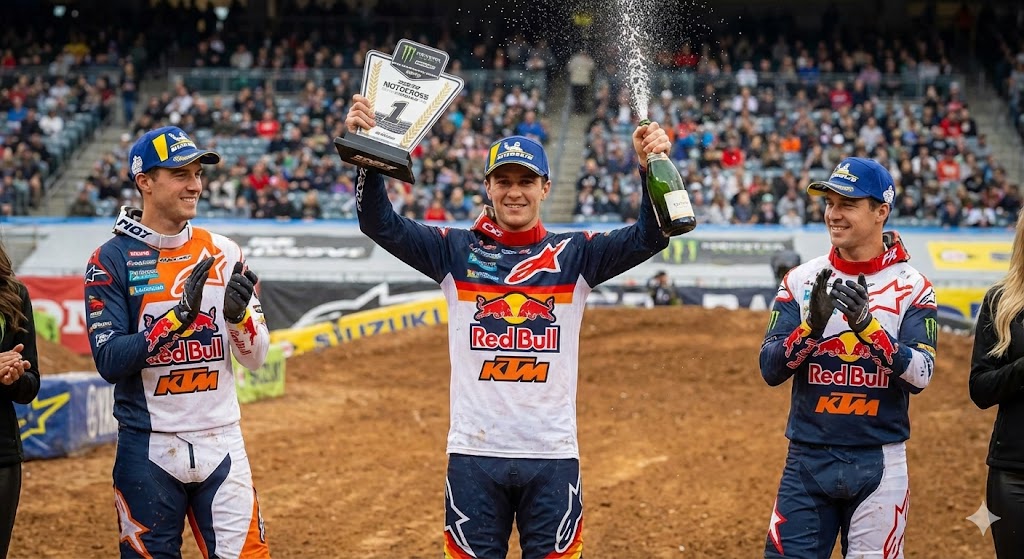
Dakar 2026 Stage One: Sanders Sets Early Pace
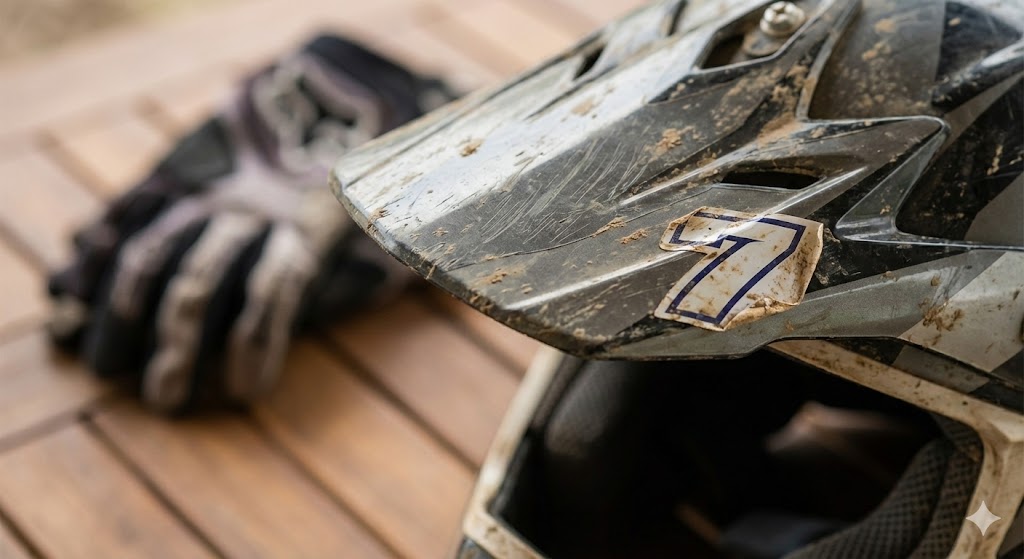
Dakar 2026 Stage 1: Brabec Sets Early Marker
Critics will point out what I've sacrificed, and they're not wrong. Highway riding on the Ténéré requires more effort than the GS, which could cruise all day at 150 km/h with the aerodynamic sophistication of a luxury car. The Yamaha's small windscreen provides minimal protection, and wind noise becomes tiring after several hours at motorway speeds. The seat, charitably described, is adequate for the first 200 kilometers and progressively uncomfortable thereafter. Pillion accommodation ranges from poor to nonexistent depending on your passenger's tolerance for hardship. And the fuel range—approximately 350 kilometers from the 16-litre tank—demands more frequent stops than the GS's 450+ kilometer capability.
But here's what I've gained: I ride more than I ever did on the GS. The Ténéré sits in my garage ready to go, requiring no mental preparation to swing a leg over. When my friends suggest an impromptu Sunday morning trail ride, I don't spend the preceding evening worrying about whether I'll embarrass myself or damage an expensive machine. When I see an interesting track disappearing into the forest, I take it, confident that whatever lies ahead won't exceed my ability to manage. The motorcycle has become a tool for adventure rather than an object of anxiety, and that transformation alone justifies everything I gave up.
This isn't an argument that the Ténéré is objectively better than the GS—it obviously isn't, by most measurable criteria. The BMW offers more power, more comfort, more technology, more capability on paper. But motorcycling isn't experienced on paper. It's experienced on roads and trails, in rain and heat, alone and with friends. For the riding I actually do rather than the riding I fantasised about, the lighter, simpler, cheaper Yamaha has proven to be the better tool. Your calculus may differ. You might be younger, stronger, more skilled, or simply more interested in long-distance touring than technical trail riding. But if you find yourself struggling to enjoy your expensive adventure bike—if the weight feels oppressive, the complexity intimidating, the cost of potential damage paralysing—consider that the solution might not be more training or better technique. It might simply be less motorcycle.